
Aristida barbicollis
Aristida barbicollis
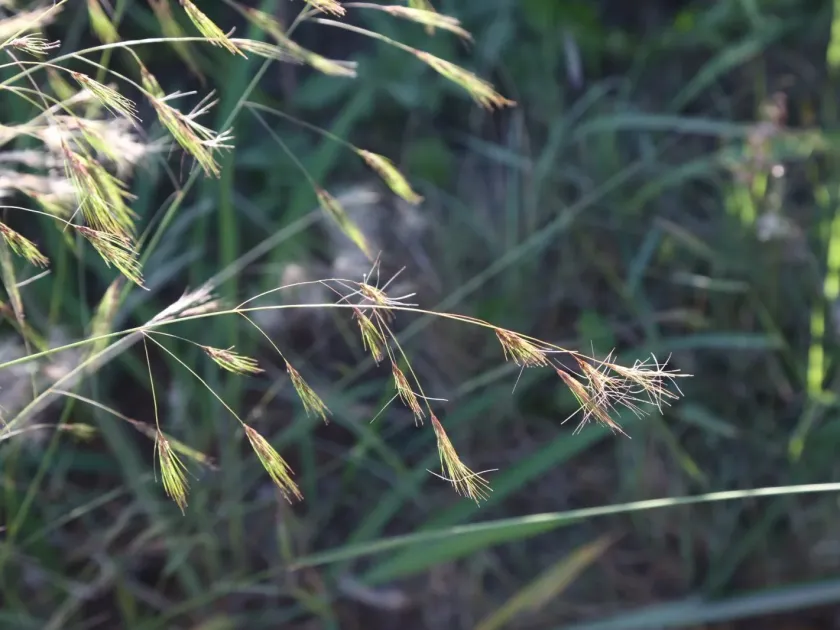
Description
Growing requirements
Aristida barbicollis is a perennial grass species belonging to the Poaceae family. It is highly valued for its exceptional drought tolerance and resilience in harsh environmental conditions.
The native range of this plant encompasses the arid and semi-arid regions of Southern Africa. It typically thrives in sandy or rocky soil substrates that have excellent drainage properties.
This grass species requires full sun exposure to flourish. Its growth strategy is centered on maximizing water uptake through an extensive and deep root system, which is crucial for survival in arid climates.
Botanically, it features narrow, wiry leaves designed to minimize transpiration. These morphological adaptations allow the plant to withstand intense heat and limited precipitation efficiently.
Agriculturally, Aristida barbicollis serves as a primary soil stabilizer in savanna ecosystems, preventing erosion and helping to maintain the stability of local landscapes.
Yield
The yield of Aristida barbicollis fluctuates significantly based on annual rainfall patterns. In its natural grazing habitat, it provides a vital source of forage during the growing season.
Nutritional value is highest during the early vegetative stages. As the plant matures, the tissues become more lignified and fibrous, which reduces its palatability for livestock.
Optimal biomass production is achieved during periods of reliable seasonal rainfall. Proper pasture rotation is essential to prevent overgrazing and maintain high production levels over time.
In terms of forage quality, early harvesting is recommended if the grass is to be used as hay, as the rigid stems can be difficult for cattle to digest once they reach full maturity.
The regenerative capacity of this grass is high, provided that sustainable grazing pressure is maintained, allowing the plant to restore its energy reserves within the root system.
Main diseases and pests
Aristida barbicollis is naturally resistant to many common cereal crop diseases. However, it can be affected by various environmental and biological stresses in poorly managed pastures.
Insect pests such as locusts represent the most significant threat to biomass stability. Large-scale infestations can cause substantial damage to the leaves and developing reproductive structures.
Poor soil drainage can lead to root fungal infections, particularly in areas where water stagnation occurs. Maintaining soil aeration is key to preventing plant mortality.
Wildfires, while a natural occurrence in its native range, can weaken populations if they happen too frequently. This limits the natural recovery rate of the grass seeds and seedlings.
Invasive plant species can potentially compete for nutrients and light. Monitoring pasture composition is necessary to ensure the dominance of Aristida barbicollis in the field.