
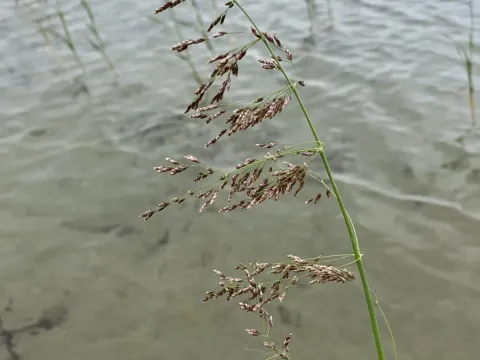
Arctophila
Arctophila
Arctophila (lat. Arctophila) is a genus of perennial grasses belonging to the Poaceae family, primarily known for its dominance in Arctic and alpine wetlands. It is a highly specialized agricultural plant valued for its forage quality in cold, waterlogged environments.
What the section contains
Arctophila
The plant exhibits remarkable adaptability to hydric soils, thriving in floodplains, marshes, and along riverbanks. It performs best in nutrient-rich alluvial soils and is exceptionally tolerant of frost and water saturation, which often inhibit the growth of traditional forage crops.
Botanically, Arctophila is a rhizomatous grass that forms dense, productive swards. Its leaves are typically narrow and soft, maintaining a high nutritional value even as the growing season progresses. The root system is robust, allowing the plant to stabilize wet soils effectively.
Regarding climatic requirements, Arctophila is defined by its extreme cold tolerance. It requires constant access to moisture throughout the growing cycle, making it ideal for low-lying areas that are unsuitable for conventional plowing or intensive drainage.
In agricultural practice, Arctophila is primarily utilized as high-quality pasture. Its ability to regrow rapidly after grazing and its high palatability for livestock make it an essential component of sustainable land management in northern climates.
Arctophila is generally resilient to many pests and diseases due to the harsh environmental conditions of its habitat. However, rust fungi can occasionally affect the foliage during unusually warm and humid summers, reducing the quality of the forage.
Root rot remains a potential threat if the water drainage becomes stagnant and anaerobic for extended periods. Maintaining proper water flow in natural irrigation systems is vital to keeping the plant healthy and productive.
Overgrazing by large herbivores can cause physical damage to the root network and reduce the density of the sward. Management strategies should include rotational grazing to ensure the long-term viability of the pasture.
Insects, such as specialized leafhoppers, may occasionally cause damage to the blades, though they rarely reach levels requiring chemical intervention. Natural ecosystem checks and balances usually keep these populations in control.
Effective management against threats involves monitoring for signs of stress related to sudden changes in hydrology or unusually dry spring seasons, which are the most critical factors for the survival of this species.