
Jericho wiregrass
Aristida jerichoensis
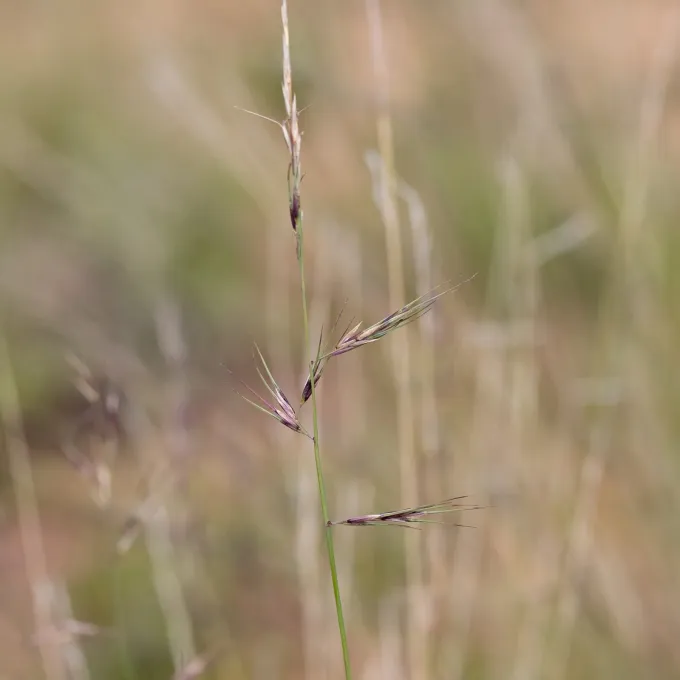
Description
Growing requirements
Jericho wiregrass (Aristida jerichoensis) is a perennial grass species belonging to the Poaceae family. It is widely recognized for its exceptional adaptation to arid and semi-arid environments, making it a critical species for desert ecology.
The native range of this species primarily includes parts of Australia, where it thrives in sandy, well-drained soils. These environments are characterized by low nutrient availability, to which the plant has adapted through specialized root architecture and efficient nitrogen metabolism.
Key requirements for successful growth include high light intensity and minimal competition from broadleaf species. The plant is highly sensitive to waterlogging; therefore, maintaining adequate soil aeration is paramount for preventing root rot and ensuring consistent biomass production.
Botanically, the plant features stiff, slender leaves and inflorescences with characteristic sharp awns attached to the seeds. This morphology serves both as a protection mechanism against excessive transpiration and as a tool for seed dispersal via the coats of animals or strong wind currents.
In agricultural applications, Jericho wiregrass is utilized primarily in rangeland management. While its palatability for livestock is moderate compared to improved pastures, its ability to persist during prolonged drought makes it an invaluable resource for sustaining grazing animals when other forage sources are depleted.
Main diseases and pests
The primary pathological threats involve fungal infections such as rusts and mildews, which can affect the foliage during periods of unexpected high humidity. Proper site selection that ensures good air drainage is the most effective management strategy against these pathogens.
Insect pests include various species of grasshoppers that can cause significant defoliation during outbreaks. Additionally, soil-dwelling larvae may damage the root systems, particularly in young stands, potentially leading to plant death if pest population densities are not controlled.