
Aristida ramosa
Aristida ramosa
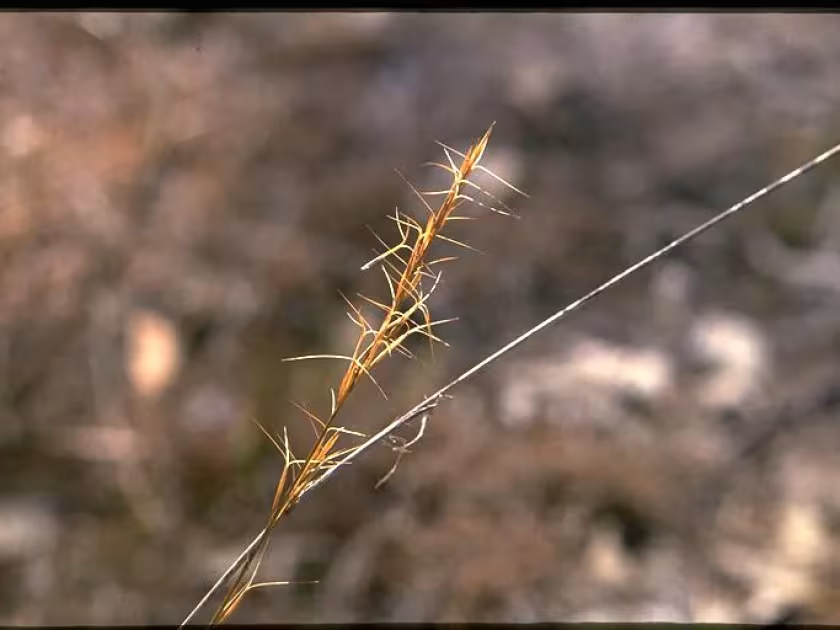
Description
Growing requirements
Aristida ramosa, commonly known as a type of wiregrass, is a perennial plant species belonging to the Poaceae family. Native to Australia, it is well-adapted to arid and semi-arid environments where high temperatures and low moisture are the norm.
The plant features thin, wiry stems and narrow leaves, which allow it to minimize water loss through transpiration. Its botanical structure is optimized for survival in nutrient-poor, sandy, or rocky soils, showcasing its resilience as a xerophytic grass.
For successful growth, this species requires full sun exposure and excellent soil drainage. It struggles in damp environments, where humidity can promote disease or root stress, making site selection crucial for any cultivation attempts.
It thrives in hot climates, demonstrating significant thermal tolerance. The plant's deep root system enables it to access subsoil moisture, ensuring survival even during prolonged dry spells that would damage most standard agricultural grasses.
In terms of land use, Aristida ramosa is often managed as a native pasture grass. However, ranchers must be cautious, as the awns on its seeds can cause mechanical injury to the mouths and hides of grazing livestock during the plant's reproductive stage.
Main diseases and pests
The most significant threats to this crop include fungal infections, particularly those triggered by unseasonable or excessive rainfall that creates a high-humidity microclimate around the plant base.
Pests such as aphids and various grass-feeding insects can cause damage, though the plant's tough, fibrous texture often provides a natural level of resistance compared to softer forage grasses.
Weed competition during the seedling stage is a primary obstacle, as Aristida ramosa is a slow grower initially and can be easily outcompeted by invasive weeds if the site is not managed.
Overgrazing poses a systemic risk, as it prevents the plant from replenishing its carbohydrate reserves, potentially leading to long-term thinning of the pasture stands.
Root pathogens and soil-borne diseases may emerge if the soil remains waterlogged for extended periods, highlighting the necessity of proper land drainage and water management.