

Description
Sowing dates
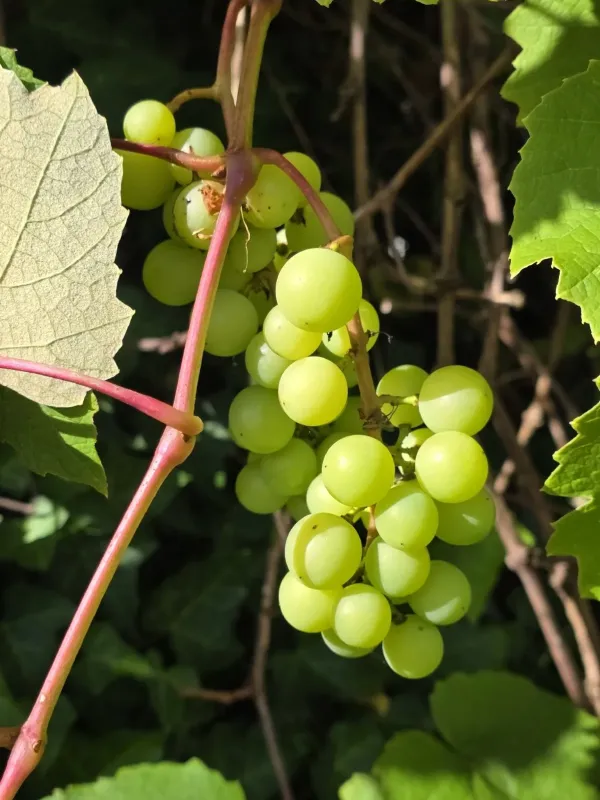
The common grapevine (Vitis vinifera L.) belongs to the Vitaceae family and is a perennial woody vine. In modern viticulture, vineyard establishment is typically performed in early spring, when the soil reaches a temperature of 10-12°C, facilitating rapid root development.
For planting, growers use either grafted or rooted cuttings that have undergone a hardening-off process. Preparing the vineyard site involves deep tillage and the incorporation of organic matter, as this crop requires a nutrient-rich environment for long-term health.
Planting density is determined by the vigor of the rootstock and the chosen pruning system. Standard spacing between rows is usually 2.5 to 3 meters, with 1.5 to 2 meters between plants, ensuring adequate air circulation and sunlight exposure.
Grapevines have a distinct dormant period, allowing the plant to acclimate to seasonal changes. Proper site selection and careful planting procedures are the foundation for the longevity and productivity of the vineyard for many decades.
Originating from the Mediterranean and Southwest Asia, Vitis vinifera has spread globally to diverse temperate and subtropical regions. It remains one of the world's most important agricultural crops, used extensively for wine, fresh consumption, and raisins.
Growing requirements
Grapevines are highly heliotropic and demand full sun exposure for optimal berry ripening and sugar accumulation. Selecting sites with southern exposure ensures the vines receive the necessary solar energy throughout the growing season.
The ideal soil for viticulture is well-drained, porous, and has a moderate nutrient profile. While the plant can tolerate various soil types, avoid heavy clay or waterlogged soils, as these conditions significantly increase the risk of root-zone diseases.
Agricultural practices involve rigorous canopy management, including annual pruning and shoot positioning on trellises. These techniques ensure that light reaches the clusters and that air circulation is maintained to minimize humidity levels around the fruit.
Water management is critical during the vegetative growth phase and fruit set. Excessive moisture during ripening must be avoided to prevent berry splitting, while steady water supply early in the season promotes robust vine structure.
Fertilization regimes focus on potassium and phosphorus application to support fruit quality and wood maturation. Proper hardening of the canes in autumn is essential for survival during winter frosts and successful bud break the following spring.
Main diseases and pests
Managing diseases and pests is a cornerstone of professional vineyard management. Many fungal pathogens, such as grey mold (Botrytis cinerea) or anthracnose, can devastate yields if preventative measures are not taken in a timely manner.
White rot and other decay-causing fungi often exploit mechanical damage or environmental stress to infect the vine. Maintaining sanitary conditions in the vineyard, such as removing pruning debris, is essential to reduce the local inoculum density of these pathogens.
Pests like the San Jose scale (California scale) can cause significant damage by feeding on vine sap, weakening the plant's structural integrity over time. While some generalist insects may visit the vineyard, maintaining biodiversity can help keep pest populations in check.
The integrated pest management (IPM) approach includes selecting disease-resistant cultivars and using selective spraying only when necessary. Regular monitoring of the vineyard allows for early detection of threats before they become economically damaging.
Proper pruning and thinning techniques are effective non-chemical methods for disease control. By reducing the density of the foliage and improving airflow, growers create an environment that is less conducive to the proliferation of fungal spores.
In brief
60
Crop diseases
60
Crop pests
Content graph
Crop diseases · 60
Alternaria leaf spotAngular leaf scorch of grapevineAngular leaf spotAnthostomella disease of grapevineAnthracnoseAscochyta blightAspergillus rot of grapesAsteroid mosaicAustralian grapevine yellowsBacterial wiltBerry shrivelBitter rot of grapesBlack foot of grapevineBlack rotBlue moldBois noirBriosia leaf spotCercospora leaf spotCitrus nematodeCladosporiosisCladosporiosisCorky barkCrown gallDiscostroma corticolaEutypa diebackFusarium wiltGrape leaf rustGrapevine angular mosaicGrapevine berry internal necrosisGrapevine enation diseaseGrapevine EscaGrapevine EscaGrapevine fanleafGrapevine flavescence doréeGrapevine leafrollGray moldHoney fungusLate blightMonilia blightMycosphaerella spotNorth American grapevine yellowsPalatinate grapevine yellowsPeronosporosisPhomopsisPhyllosticta leaf spotPhymatotrichum root rotPierce's diseasePlant chimerasPlant RustPowdery mildewRing nematodeRoot-knot nematodeRotbrennerSclerotinia rotSeptoriaSour rotTomato mosaic virusVerticillium wiltWhite leaf spot of strawberryZonal leaf spot
Content graph
Crop pests · 60
Alfalfa seed chalcidAlfalfa weevilAphidAustrian beetleBean aphidBeet flea beetleBeet midgeBeet webwormBeet weevilCabbage aphidCabbage mothCereal leaf beetleChloropid fliesCodling mothComstock mealybugCotton bollwormCrucifer flea beetleCrucifer shield bugsDiamondback mothDiamondback mothEuropean apple sawflyEuropean cherry fruit flyEuropean corn borerEuropean grapevine mothEuropean vine mothGall midgesGeometridaeGoat moths and Carpenter mothsGrape phylloxeraGreenbugGreenhouse whiteflyGround beetle (Zabrus tenebrioides)Hemp flea beetleHop aphidLarge whiteLeaf beetlesLeaf miner mothLeaf minersLima bean pod borerMealy plum aphidMelon flyOnion flyOriental fruit mothPea aphidPea mothPear fruit mothPear psyllaPea weevilPollen beetlePollen beetlePotato tuber mothPyralid mothsSan Jose scaleSawfliesSoybean pod borerSucking pestsSunn pestTurnip mothTwo-spotted spider miteWeevil
Content graph
Connections · Grapevine
Most often together:
Active ingredients
1 contact
Marketplace
Products · 1146
All 1146
Fungicides 456
Insecticides, Acaricides 236
Fertilizers 225
Herbicides, Desiccants 143
Plant Growth Regulators 68
Grape 9
Biological Products 9


Komandor
Ф.Меатон Лімітед, Лондон, Великобританія.
Insecticides
0
0
·
2.7K
2 offers
59.51 €per pack
Buy


LIGNOGLUMATE
Private enterprise "Rodonit", Ukraine
Plant Growth Regulators
0
4
·
2.3K
5 offers
6.38 €per 1 l
Buy


Nuprid 200
Нуфарм Австралія Лтд. , Австралія (місце виробництва: Чілі
Insecticides
0
0
·
1.9K
6 offers
26.52 €per 1 l
Buy


Puska
Три Дельта Компані Інтернешнл, Гонконг, Китай.
Insecticides
1
0
·
1.9K
1 offer
7.72 €per 1 l
Buy


Glyphogold
F.A.GAN Chemical Manufacturers Ltd. Israel, member
Herbicides
0
0
·
1.9K
2 offers
12.74 €per 1 l
Buy


Demitan 200
Govan Commercial International & Service
Insecticides
1
0
·
1.8K
1 offer
116.14 €per 1 l
Buy

