
Summer grape
Vitis aestivalis Michx.
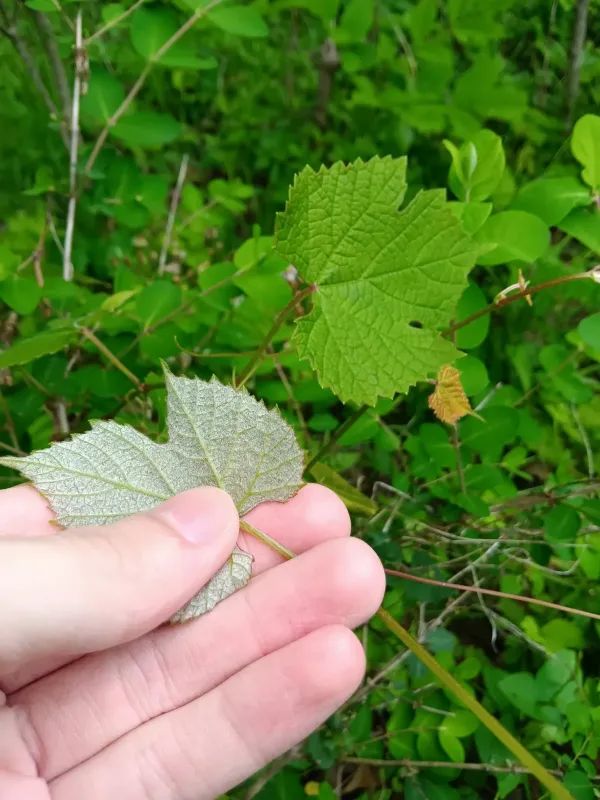
Description
Growing requirements
The Summer grape, or Vitis aestivalis, is a woody climbing vine that belongs to the Vitaceae family. It is a highly vigorous plant capable of reaching significant heights, utilizing specialized tendrils to climb forest canopies and structures.
Originating from North America, this species is widely distributed across the eastern and central regions of the United States. Its natural habitat includes woodlands, thickets, and hillsides, reflecting its high adaptability to varying environmental conditions.
The plant requires well-drained, fertile soil to achieve maximum growth potential. It is notably tolerant of acidic and rocky soils, showing superior resilience compared to many cultivated European grape varieties, making it an ideal choice for challenging terrain.
Regarding climate, Vitis aestivalis thrives in regions with warm, long growing seasons. It requires ample exposure to sunlight to support both vegetative growth and the development of its dark blue, typically tart berries.
In agriculture, the primary utility of this species lies in its use as a hardy rootstock. Its robust root system provides excellent resistance to soil-borne pests and drought, which helps sustain grafted scions in diverse viticultural environments.
Main diseases and pests
Common threats to the Summer grape include fungal pathogens such as downy mildew and powdery mildew. While the species possesses innate resistance, intensive cultivation can still expose plants to high pressure from these common grapevine diseases.
Insect pests, particularly the grape phylloxera and leafhoppers, pose a significant risk to plant health. Integrated pest management strategies, focusing on biological controls and monitoring, are essential to maintain the vitality of the vine.
Proper canopy management is crucial to mitigate disease risks. Regular pruning and thinning allow for optimal airflow, which effectively reduces humidity levels around the foliage and minimizes the growth of fungal spores.
Sanitation practices, such as removing fallen leaves and debris, are vital for breaking the disease cycle. Ensuring the vineyard area is clean prevents the overwintering of pathogens that could affect the next growing season.
Choosing resistant clones or hybrids is the most effective long-term defense against pests. Producers are increasingly turning to sustainable practices, such as the use of mycorrhizal fungi, to enhance the natural defense mechanisms of the vine.