
Discostroma corticola
Discostroma corticola
Description
Symptoms
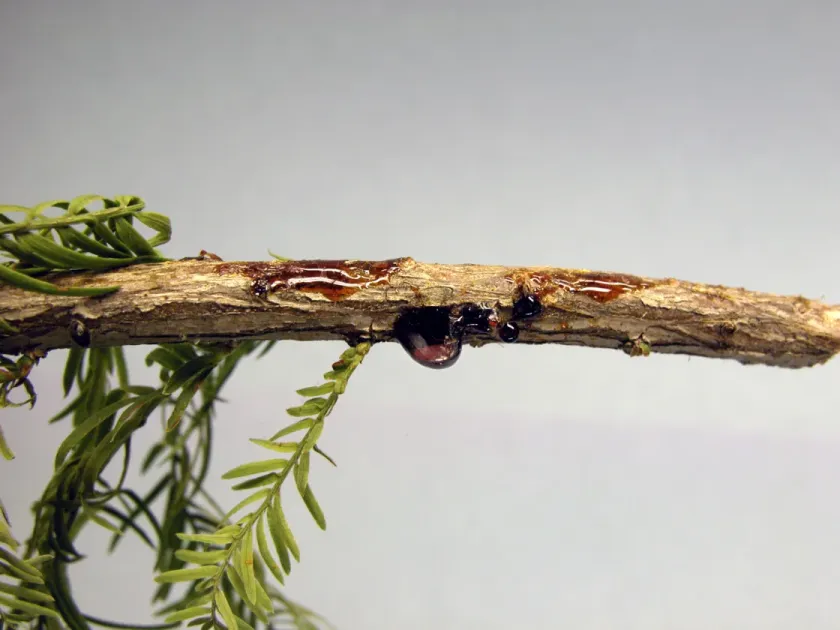
Initial symptoms of Discostroma infection appear as small, darkened, and slightly sunken areas on the bark of young twigs or branches, which gradually expand over time.
The presence of tiny, black, pimple-like structures on the bark is a diagnostic feature, representing the fungal fruiting bodies that release spores into the environment.
Leaves on infected branches often show signs of chlorosis, premature yellowing, and eventually wilting, as the vascular system becomes obstructed by the fungal infection.
Severe infestations lead to the cracking of the bark and the exposure of the underlying wood, creating an entry point for secondary pests, wood-boring insects, and other opportunistic pathogens.
In herbaceous hosts like mint or sorghum, the disease manifests as stem lesions and darkened nodes, leading to stunted growth and the eventual collapse of the affected shoots.
Pathogen
Discostroma corticola is a pathogenic fungus belonging to the Ascomycota division. It is known to infect a diverse range of plants, including plane trees, almond, coconut palms, and various mint species.
The disease is classified as bark and stem necrosis, where the fungus colonizes the vascular and cortical tissues, disrupting the plant's ability to transport essential water and nutrients.
The life cycle of this pathogen involves the formation of fruiting bodies (ascomata) that erupt through the bark surface. These structures release spores that are easily dispersed by wind and rain splashing.
The fungus can survive for extended periods within infected twigs and plant debris, making these remnants the primary source of infection for subsequent growing seasons.
It often behaves as a stress-dependent pathogen, successfully infecting host tissues only when the plant's natural defense systems are compromised by environmental stress or physical injury.
Conditions for development
High relative humidity and moderate temperatures are the most critical environmental triggers for the development and spread of Discostroma corticola.
Densely planted orchards or fields with poor air circulation create stagnant microclimates that promote fungal growth and increase the rate of spore germination.
Physical injuries resulting from pruning, mechanical harvesting, hail, or insect feeding provide direct access for the fungus to penetrate the protective bark layers.
Over-fertilization, particularly with nitrogen, leads to rapid succulent growth that is more susceptible to fungal entry compared to properly hardened, mature tissues.
Stressed plants, suffering from water deficits or poor soil conditions, are significantly more likely to succumb to the infection than healthy, well-maintained specimens.
Why it matters
The primary damage caused by Discostroma is the gradual dieback of branches, which reduces the canopy size and eventually leads to the death of the host plant if left untreated.
For fruit-bearing trees like almonds, the disease significantly impairs the tree's photosynthetic capacity, leading to lower yields and a reduction in fruit quality.
In ornamental plantings and woody nurseries, the presence of this fungus ruins the aesthetic value of the trees and necessitates costly replacement of infected stock.
The fungus can persist in the environment, creating persistent disease reservoirs that make it difficult to establish new, healthy plantings on the same site.
Economic losses arise not only from reduced productivity but also from the increased labor costs required for constant monitoring, pruning, and chemical protection.
Protection
Rigorous sanitation remains the cornerstone of management; all infected wood should be pruned out, ensuring cuts are made into healthy tissue well below the visible symptoms.
Promptly removing and burning all pruned debris is essential to minimize the concentration of fungal spores within the vicinity of the remaining healthy plants.
Copper-based fungicide sprays applied during the dormant season can help reduce the spore load on bark surfaces and protect against new infections during the growing season.
Strict disinfection of pruning tools using alcohol or bleach solutions between individual plants prevents the human-mediated transmission of spores from diseased to healthy hosts.
Promoting plant health through balanced nutrition, proper irrigation, and protection against primary wounding agents helps maintain the natural resistance of the crop.
Pathogens and affected parts
Affects crops · 9
Discussion
No discussions yet — be the first.