
Cladosporiosis
Hormodendrum cladosporioides
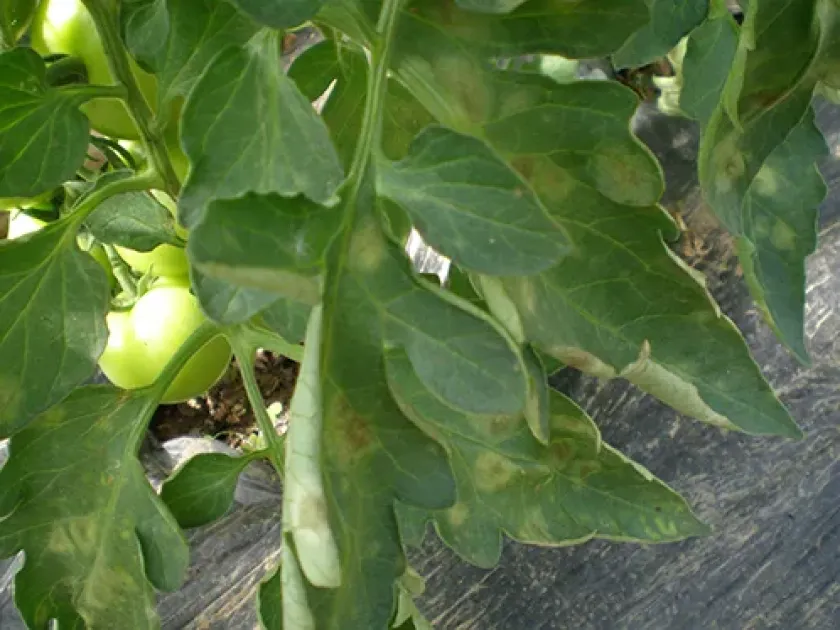
Description
Symptoms
The primary symptom of cladosporiosis is the appearance of small, diffuse spots on leaves, which gradually expand and turn brown or olive-green in color.
A velvety, dark mold develops on the surface of these spots, which consists of the conidiophores and conidia of the pathogenic fungus Hormodendrum cladosporioides.
Infection leads to premature yellowing, necrosis, and subsequent drop of leaves, which significantly impacts the photosynthetic capacity of the plant.
Fruits, such as cherries or grapes, often develop sunken lesions or fuzzy patches, leading to deformation and potential secondary rot if moisture persists.
On corn, the disease typically manifests as irregular spotting on lower leaves, which can spread rapidly to the upper canopy under favorable weather conditions.
Pathogen
The disease is caused by the fungus Hormodendrum cladosporioides, which is widely recognized in scientific literature by its synonym Cladosporium cladosporioides.
The pathogen is a hyphomycete that infiltrates host tissues via stomata or micro-wounds, colonizing the intercellular spaces to extract nutrients from the plant.
It produces vast quantities of asexual spores (conidia) that are easily detached and disseminated by wind currents, rain splashes, and irrigation water.
The fungus is a versatile saprophyte and pathogen, capable of surviving on crop residues, soil debris, and even on the surface of dormant buds or seeds.
Its ability to infect various hosts, including cherry species (Prunus cerasus), grapes (Vitis vinifera), and corn (Zea mays), makes it a persistent threat in diverse environments.
Conditions for development
High relative humidity levels (above 80–85%) are the most critical requirement for the successful germination of conidia and infection of host plant tissues.
Moderate temperatures ranging between 18°C and 25°C provide the optimal metabolic window for the rapid development of the fungus within the plant.
Stagnant air conditions, often found in dense plantations or poorly pruned orchards, significantly increase the risk of rapid disease spread within a crop.
Prolonged wet periods, heavy dew, or frequent light rainfall provide the necessary moisture film for the pathogen to penetrate the leaf epidermis.
Plants undergoing stress due to imbalanced nutrition or unfavorable soil conditions are more susceptible to colonization by H. cladosporioides.
Why it matters
The economic damage caused by cladosporiosis is primarily due to the reduction of green leaf area, which decreases overall plant vigor and total biomass yield.
Infected fruits lose their marketability due to unsightly blemishes, surface molds, and reduced shelf life, causing significant financial losses for fruit growers.
Premature leaf loss in perennials like cherry trees disrupts nutrient storage, leading to decreased winter hardiness and reduced flower bud formation for the following year.
For corn crops, leaf spot disease can impair grain filling, leading to smaller kernel size and potential reduction in total yield per hectare.
Managing the disease necessitates additional inputs for chemical or cultural controls, increasing the total production cost for agricultural businesses.
Protection
The cornerstone of management is sanitation: removing and destroying infected plant debris, which reduces the primary inoculum source for the following season.
Maintaining proper plant spacing and performing regular canopy thinning improves airflow and light penetration, effectively creating an environment unfavorable for the fungus.
Preventative or early-stage curative applications of copper-based fungicides or systemic chemical agents can effectively manage the disease spread in the field.
Implementing crop rotation and selecting disease-resistant cultivars are proactive measures that minimize the buildup of the pathogen in the agricultural ecosystem.
- Ensuring optimal plant density to encourage ventilation.
- Balanced fertilization to promote strong cell walls.
- Regular field monitoring during high-risk humid conditions.
- Proper disposal of crop residues at the end of the season.
Pathogens and affected parts
Affects crops · 4
Discussion
No discussions yet — be the first.