
Fox grape
Vitis vulpina L.
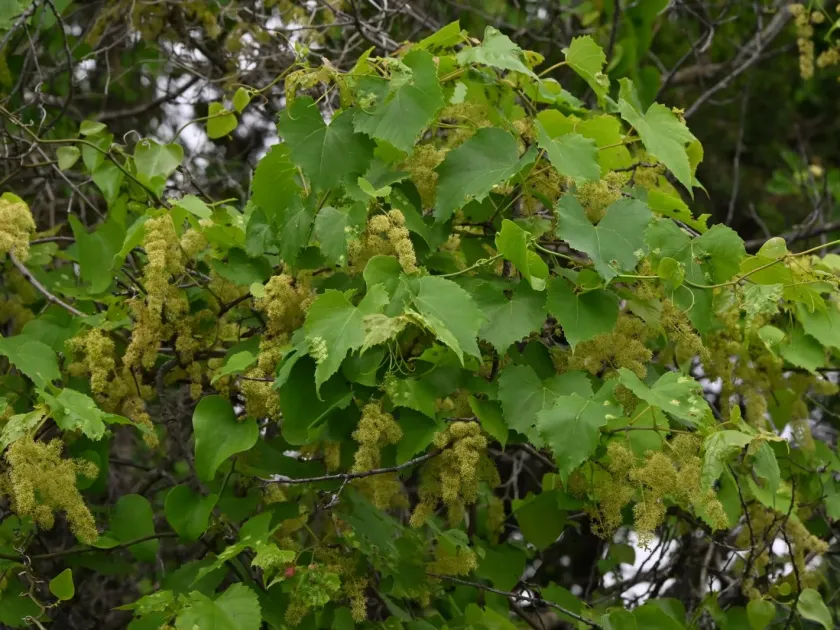
Description
Growing requirements
Fox grape (Vitis vulpina L.), a member of the Vitaceae family, is a vigorous woody vine native to North America. It is widely recognized for its robust growth habit and adaptability to a variety of environmental conditions, ranging from well-drained slopes to moist bottomlands.
The plant thrives in full sun but can tolerate partial shade better than many traditional cultivars. This ecological flexibility allows it to colonize diverse habitats, making it a highly resilient species within its native range and in experimental viticultural trials.
Botanically, Vitis vulpina is characterized by its strong tendrils and deep root system, which provide excellent structural support and nutrient absorption. The leaves are typically bright green, contributing to a dense canopy that provides effective shade cover.
Regarding soil preferences, this species is not demanding. It performs well in various soil textures, provided there is adequate organic matter. Its tolerance to both drought and occasional flooding makes it a highly valuable genetic resource for crop improvement.
Cultivation requires careful management of the vine's rapid growth. Pruning is essential to maintain plant vigor, improve air circulation, and ensure that the vine does not exceed the capacity of its trellis system during the peak growing season.
Main diseases and pests
One of the most significant traits of the fox grape is its high resistance to phylloxera, a devastating pest of Vitis vinifera. This resistance makes it a preferred choice for rootstock development in the global wine industry.
The species also exhibits strong natural resistance to common fungal pathogens, including downy and powdery mildew. This innate immunity significantly reduces the need for synthetic fungicides, supporting more sustainable agricultural practices.
Despite its robustness, the plant can be vulnerable to specific pests such as leafhoppers and spider mites. Regular monitoring during the mid-summer period is recommended to prevent localized infestations that could stress the vine.
Environmental stressors like prolonged extreme temperatures can occasionally impact leaf health. However, the fox grape’s inherent resilience generally allows it to recover quickly once optimal climatic conditions are restored.
Integrated pest management strategies focusing on promoting beneficial insects are highly effective for Vitis vulpina. Maintaining a balanced ecosystem around the vine planting helps to naturally suppress the populations of potential pests.