
Maple-leaf grape
Vitis acerifolia Raf.
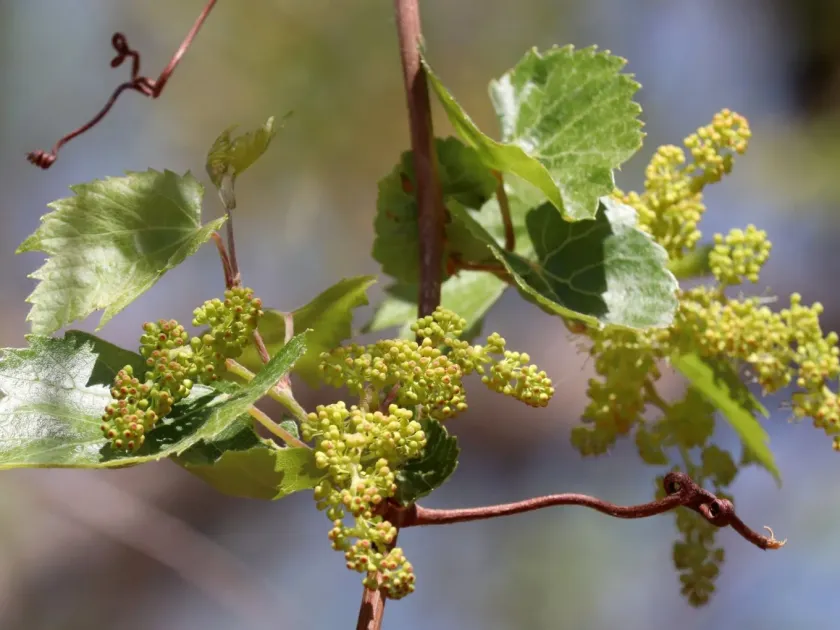
Description
Growing requirements
The maple-leaf grape (Vitis acerifolia Raf.) is a hardy species belonging to the Vitaceae family, native to the central regions of the United States. It is commonly found thriving in rocky, calcareous, and limestone-based soils which characterize its natural habitat.
Botanically, the species is defined by its deeply lobed leaves that resemble those of a maple tree, which gives the plant its common name. The vines are vigorous and exhibit significant structural adaptability to arid conditions, making them exceptionally resilient in wild environments.
In terms of agricultural requirements, this grape thrives in well-drained, porous soils. It is highly valued for its tolerance of alkaline soil conditions, where it avoids common nutrient deficiencies that often affect more domesticated varieties of Vitis vinifera.
The climate requirements for Vitis acerifolia are centered around temperate zones. The species shows excellent cold hardiness, allowing it to survive harsh winter temperatures, which has made it a subject of great interest for cold-climate viticulture programs.
Economic and agricultural use is primarily focused on breeding and rootstock development. Its genetic profile is utilized to impart drought resistance and soil adaptability to table and wine grape cultivars, contributing to more sustainable agricultural practices.
Main diseases and pests
Vitis acerifolia is noted for having a robust natural resistance to phylloxera, which has historically been its most valuable trait for grape breeders and viticulturists worldwide. This resistance is a crucial component in maintaining vineyard longevity.
Like other Vitis species, it remains susceptible to fungal pathogens such as downy mildew (Plasmopara viticola) and powdery mildew (Erysiphe necator), particularly when planted in environments with poor air circulation or excessive humidity.
Pest issues such as mites and leafhoppers can occur, especially in dry environments. Monitoring the foliage during the mid-summer months is recommended to ensure that pest populations do not reach levels that compromise the plant's photosynthetic capacity.
Black rot is another potential threat that can affect the vines if moisture is not managed properly. Proper pruning and canopy management are effective non-chemical strategies to reduce the incidence and spread of these fungal issues.
While the species is hardy in the wild, cultivation requires adherence to standard vineyard hygiene practices, including the removal of dead wood and the application of fungicides during peak infection risk periods.