Description
Mode of action
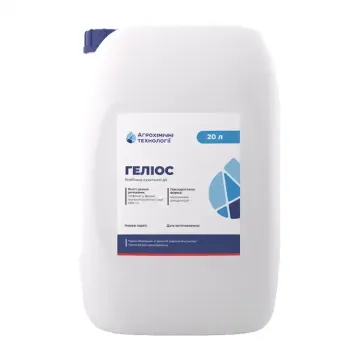
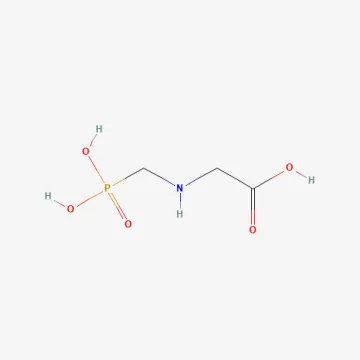
Glyphosate isopropylamine salt belongs to the phosphonic acid derivative class and is one of the most widely used active ingredients in non-selective systemic herbicides.
The mechanism of action involves inhibiting the 5-enolpyruvylshikimate-3-phosphate synthase (EPSPS) enzyme, which is critical for the biosynthesis of aromatic amino acids in plant cells.
Once it lands on green plant parts, the product is actively absorbed by tissues and moves rapidly through the phloem and xylem to reach growth points, roots, and rhizomes.
As a result of metabolic suppression, weed growth ceases, followed by gradual wilting, yellowing, and final plant death within 7 to 21 days.
The effectiveness of the product directly depends on the plant's active growth state, as metabolic movement significantly slows down during periods of stress or dormancy.
What it targets
This group of products is used for controlling a wide range of annual and perennial grasses as well as broad-leaved weeds, including difficult-to-eradicate species.
Glyphosate isopropylamine salt is particularly effective against creeping perennials such as couch grass (Agropyron repens), field thistle, field bindweed, and poverty weed.
The herbicide effectively clears fields of unwanted vegetation before planting agricultural crops, when reclaiming fallow land, or in field fallows.
It is also actively used as a desiccant for pre-harvest drying of cereal crops, oilseeds, and perennial grasses, which simplifies the harvesting process.
Application is appropriate in orchards, vineyards, and forest nurseries, provided that crop plants are protected from direct exposure to the spray solution.
Rates and timing
Application rates vary depending on the weed species composition, growth stage, infestation density, and weather conditions at the time of treatment.
Standard dosages are generally sufficient for annual weeds, whereas perennial plants require maximum rates for complete destruction of the root system.
The optimal time for application is during the active growth period: for grasses, the 4–6 leaf stage; for broad-leaved weeds, the rosette stage or early stem elongation.
The spray solution must be applied uniformly to the leaf surface, and it is crucial to prevent washout by rainfall within the first 4–6 hours after application.
It is important to remember that glyphosate has no soil activity, so sowing or planting of crops can typically begin several days after complete weed necrosis.
Restrictions
It is strictly prohibited to allow spray drift onto the vegetative parts of crop plants, as this will inevitably lead to their death or severe physiological suppression.
Treatment is not recommended during high winds, extreme heat, or low humidity, as these factors decrease the permeability of the leaf cuticle.
When preparing tank mixtures, consider the compatibility of the product with other pesticides and the quality of water used, as water hardness can reduce biological efficacy.
Handling products in this group requires strict adherence to safety measures, including the use of personal protective equipment to prevent skin and mucosal contact.
Disposal of containers and product residues must be carried out in strict accordance with environmental regulations and local legislation to prevent soil and water contamination.
Regulatory
Status in the European Union
Approved in the EU
- CAS number
- 1071-83-6
- Category (EU)
- HB - Herbicide
- Approved from
- 16.12.2023
- Approval until
- 15.12.2033
- ADI
- 0.5 mg/kg bw/day
- ARfD
- 1.5 mg/kg bw
- AOEL
- 0.1 mg/kg bw/day
Hazard classification (CLP)
Aquatic Chronic 2 - H411Eye Dam. 1 - H318
EU status is for reference only and does not replace national registration in your country.
Reference
Connections · Glyphosate isopropylamine salt
Most often together:
Marketplace
Products · 40


Glyphogold
F.A.GAN Chemical Manufacturers Ltd. Israel, member
Herbicides
0
0
1 offer
8.8 €per pack
Buy