
Fox grape
Vitis labrusca L.
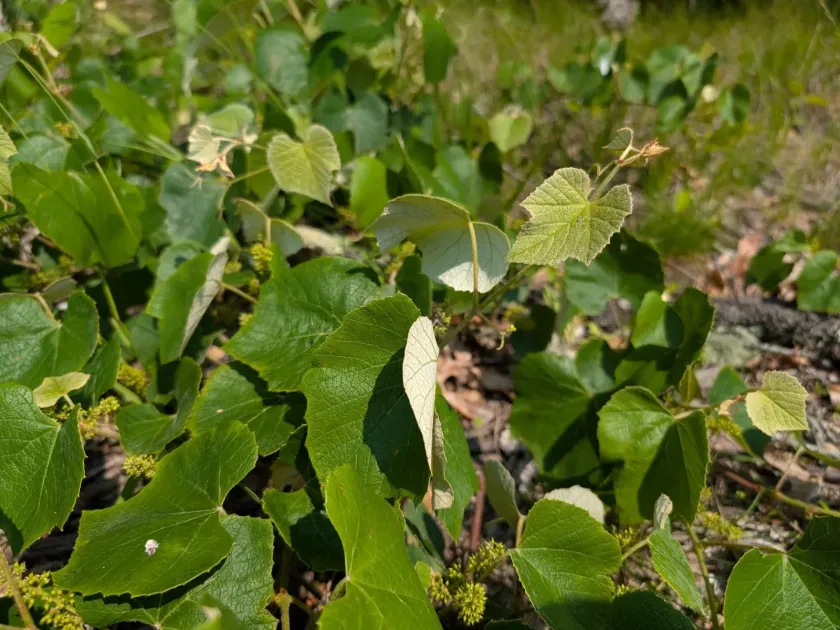
Description
Growing requirements
Vitis labrusca, commonly known as the fox grape, is a vigorous woody vine belonging to the Vitaceae family. Native to North America, it has been widely cultivated due to its remarkable hardiness and unique flavor profile, often described as musky or foxy.
This species thrives in a variety of soil types, ranging from sandy loams to heavier clays, provided that drainage is adequate. A slightly acidic to neutral soil pH is preferred, though the plant shows significant adaptability to different site conditions.
Climate tolerance is one of the most prominent features of the fox grape. It is known for its ability to withstand cold winters, which makes it a preferred choice for viticulture in cooler regions where more sensitive Vitis vinifera varieties would fail to survive.
Adequate sunlight exposure is essential for the maturation of the fruit and the hardening of the canes. Producers must ensure that planting sites receive full sun to maximize photosynthetic efficiency and ensure high-quality yields during the growing season.
Cultural practices involve robust trellising systems to support the plant's aggressive climbing habit. Proper pruning and canopy management are vital to maintain airflow throughout the vine, which prevents micro-climates conducive to fungal pathogens.
Yield
Yield capacity of Vitis labrusca is generally high, with productive vines capable of producing significant amounts of clusters annually. The fruit is typically used for juices, jams, and wine production, reflecting its commercial versatility in various regions.
Main diseases and pests
The main threats to Vitis labrusca are fungal diseases such as downy mildew and powdery mildew. While it possesses inherent resistance to some pests like phylloxera, integrated pest management is still required to ensure vine longevity and fruit quality.
Harvesting
Harvesting is typically performed once the grapes reach the desired sugar content. The grapes are often picked by hand, and their thick, slip-skin characteristic makes them relatively easy to manage during the harvesting and processing stages.