

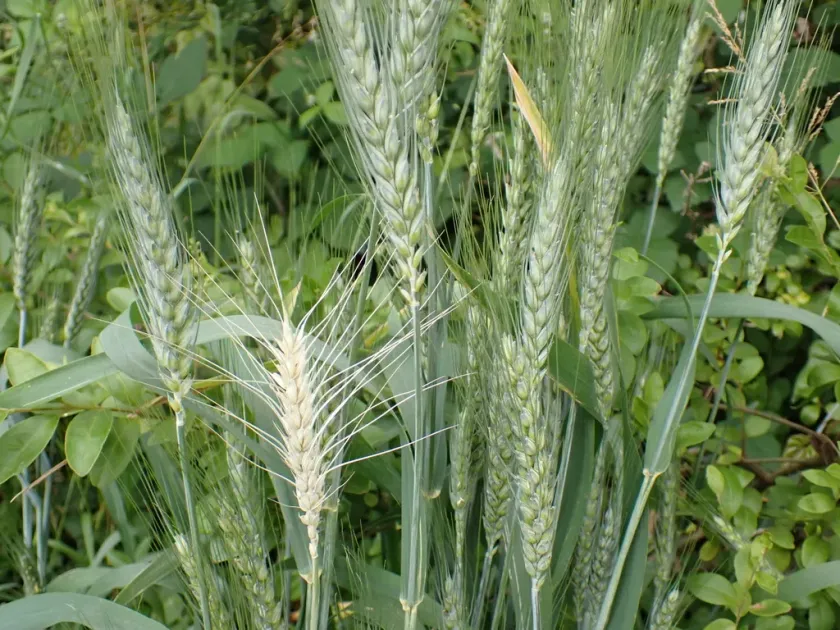
Description
Sowing dates
The timing of winter wheat sowing is a critical decision that determines the success of overwintering and the final yield potential. The optimal planting period typically occurs when average daily temperatures reach 12–15°C.
Sowing too early increases the risk of excessive autumn growth, which depletes plant energy reserves and makes the crop more susceptible to winterkill and fungal diseases. Conversely, late sowing results in underdeveloped seedlings that lack the necessary root system for winter survival.
Seeding rates should be adjusted based on soil moisture and variety characteristics. Farmers usually aim for a target of 4 to 5.5 million viable seeds per hectare to ensure an optimal stand density.
Planting depth is determined by soil texture and moisture content. On heavy clay soils, a depth of 3–4 cm is standard, whereas on sandy soils, deeper planting (5–6 cm) is required to prevent the seedbed from drying out.
Proper seedbed preparation, including firming the soil, is essential for uniform germination and establishment, providing the foundation for a healthy crop before the onset of dormancy.
Growing requirements
Winter wheat belongs to the Poaceae family and thrives in temperate climates. It prefers fertile, deep soils with a neutral or slightly acidic pH, which provide adequate drainage and nutrient availability.
Water availability is crucial during key growth stages, particularly during jointing, heading, and grain filling. Drought stress during these critical windows can significantly reduce grain weight and crop quality.
The crop requires a period of vernalization—sustained exposure to low temperatures (0–10°C) for several weeks—to transition from vegetative growth to flowering. This physiological requirement is essential for grain development.
A well-planned crop rotation is vital to maintain soil health. Ideal preceding crops include legumes, oilseeds, or fallows, which help break disease cycles and replenish essential soil nitrogen.
Balanced fertilization with nitrogen, phosphorus, and potassium is necessary for high performance. However, excessive nitrogen applications must be avoided to prevent lodging and maintain plant resilience.
Yield
With modern intensive management, winter wheat yields can reach 8–10 tons per hectare under ideal conditions. Average commercial yields generally range between 4 and 6 tons per hectare, depending on regional factors.
Yield components are heavily influenced by the number of productive tillers per unit area. Achieving a strong stand density through proper autumn management is the first step in maximizing the harvest potential.
Intensive farming systems often utilize plant growth regulators to strengthen the stalks and prevent lodging. This practice preserves the canopy structure and ensures efficient light interception until maturity.
Continuous monitoring during the spring regrowing season is necessary to manage nutrient uptake and protect the developing crop from early-season stressors that could compromise yield targets.
The final yield is strongly correlated with the success of grain filling. Protecting the flag leaf from diseases and environmental stress is the most effective way to ensure high grain weight and quality.
Main diseases and pests
Winter wheat is susceptible to a range of diseases, including powdery mildew, rust, fusarium head blight, and root rots. While some pathogens like Rhizoctonia or Alternaria are often associated with other crops, they can still cause localized damage in wheat fields.
Pests are a significant threat to winter wheat production. Common culprits include wheat midges, aphids, wireworms, and cereal beetles, which can damage seedlings or feed on developing grain heads.
Managing the surrounding ecosystem is important, as pests associated with other crops—such as pulse beetles or certain moths—can sometimes infiltrate wheat fields if poor crop rotation or uncontrolled weeds provide a bridge.
Integrated Pest Management (IPM) is the gold standard for wheat protection. This involves using treated seeds, choosing resistant varieties, and applying fungicides or insecticides only when economic thresholds are reached.
Regular field scouting is mandatory. By identifying pest or disease outbreaks early, farmers can take targeted action, preventing widespread infestations and reducing the reliance on broad-spectrum chemical inputs.
Harvesting
Harvesting usually takes place when the grain reaches physiological maturity, with moisture content dropping to 14–17%. This stage requires precise planning to ensure grain quality is preserved.
Modern combine harvesters are equipped with advanced threshing technologies that minimize losses and prevent grain damage. Adjusting machine settings based on grain size and moisture is a standard harvesting procedure.
Timely logistics are essential to move the grain from the field to storage facilities quickly. This avoids quality degradation caused by field weathering or moisture-related spoilage in the bin.
Post-harvest conditioning, including cleaning and drying, is necessary to bring the moisture content down to safe levels for long-term storage, preventing mold growth and mycotoxin accumulation.
Effective storage management, including aeration and regular monitoring of grain temperature, ensures that the harvested wheat retains its nutritional and market value throughout the storage season.
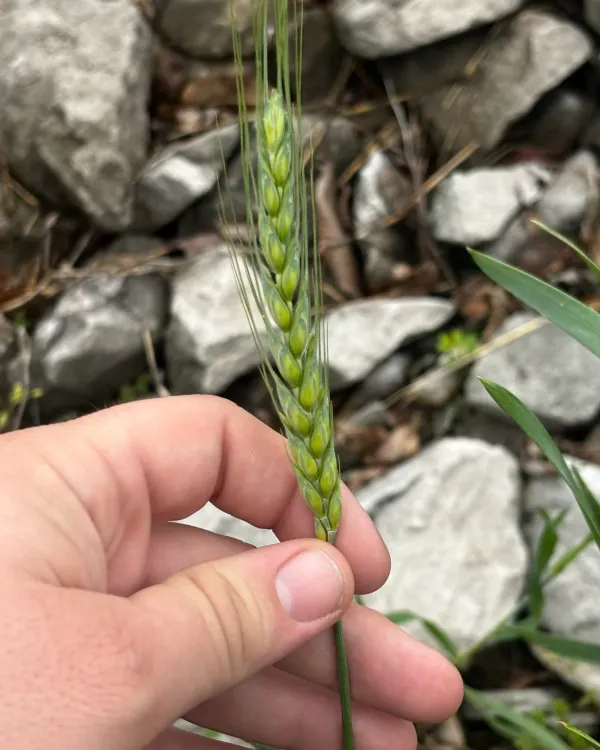
In brief
60
Crop diseases
60
Crop pests
Content graph
Crop diseases · 60
Alternaria leaf spotAnthracnoseAscochyta blightAster yellowsBarley yellow dwarfBarley yellow dwarfBlue moldBrome mosaicCephalosporium stripeCereal cyst nematodeCharcoal rotCladosporiosisCommon buntDwarf buntErgotFusarium head blightFusarium wiltHalo spot of barleyHelminthosporium leaf spotHelminthosporium leaf spotHigh Plains diseaseLance nematodeLoose smutMaize rough dwarfMonilia blightNeedle nematodeOat sterile dwarfParaphaeosphaeria leaf spotParatrichodorusPeronosporosisPhoma leaf spotPhyllachora leaf spotPink bacterial spotPink root rotPlant RustPowdery mildewPowdery mildew of cerealsPythium root rotRhizoctonia root rotRice black-streaked dwarfRice stripeRing nematodeRoot-knot nematodeSclerotinia rotSeptoriaSharp EyespotSouthern blightSpiral nematodeStem rustSting nematodeStrigaTake-all root rotTobacco mosaic virusTyphula blightWheat dwarfWheat soil-borne mosaicWheat streak mosaicWheat streak mosaicWheat tan spotXiphinema
Content graph
Crop pests · 60
Alfalfa seed chalcidAlfalfa weevilApple blossom weevilApple fruit weevilApple fruit weevilAustrian beetleBeet flea beetleBeet leaf minerBeet midgeBeet root weevilBeet webwormBeet weevilBrown-tail mothCereal leaf beetleChloropid fliesCodling mothComplex of soil-borne and surface seedling pestsComstock mealybugCrucifer flea beetleCrucifer shield bugsDiamondback mothDiamondback mothDock weevilEuropean apple sawflyEuropean corn borerEuropean grapevine mothEuropean vine mothFlax flea beetleFrit flyGall midgesGoat moths and Carpenter mothsGrape phylloxeraGrey beet weevilGrey beet weevilGround beetle (Zabrus tenebrioides)Hemp flea beetleLarge whiteLeaf miner mothLeaf minersLima bean pod borerMelon flyOnion flyOriental fruit mothPea mothPear fruit mothPea weevilPollen beetlePollen beetlePotato tuber mothPyralid mothsSand weevilSan Jose scaleSawfliesSoybean pod borerSunn pestTurnip sawflyTwo-spotted spider miteWeevilWestern corn rootwormYellow cereal fly
Content graph
Connections · Winter wheat
Most often together:
Active ingredients
1 contact
Marketplace
Products · 3047
All 3047
Fungicides 991
Herbicides, Desiccants 895
Insecticides, Acaricides 633
Fertilizers 258
Plant Growth Regulators 193
Wheat 47
Biological Products 19
Adjuvants 7
Rodenticides 3
Adjuvants/Surfactants 1


Dominator 360
Доу АгроСайенсіс С.А.С., Друзенхайм, Франція
Herbicides
2
0
·
3.2K
1 offer
13.97 €per 1 l
Buy




Racer
F.A.GAN Chemical Manufacturers Ltd. Israel, member
Herbicides
0
0
·
3K
11 offers
3.4 €per 1 l
Buy


Liquid nitrogen fertilizers brand KAS-32, r.
«ЄвроХім», ВАТ
Fertilizers
0
0
·
2.9K
4 offers
0.01 €per 1 kg
Buy




Komandor
Ф.Меатон Лімітед, Лондон, Великобританія.
Insecticides
0
0
·
2.7K
2 offers
59.51 €per pack
Buy


Alfazol
Nanjing No.1 Pesticide Factory of Red Sun Group Co., Ltd.
Insecticides
0
0
·
2.6K
1 offer
11.57 €per 1 l
Buy


Karatel Es
Nanjing No.1 Pesticide Factory of Red Sun Group Co., Ltd.
Insecticides
0
0
·
2.6K
3 offers
4.98 €per 1 l
Buy


Sharpei
ЗАТ Фірма Август, Росія.,селище Вурнари,
Insecticides
0
0
·
2.5K
1 offer
707.7 €per pack
Buy


