
Description
Symptoms
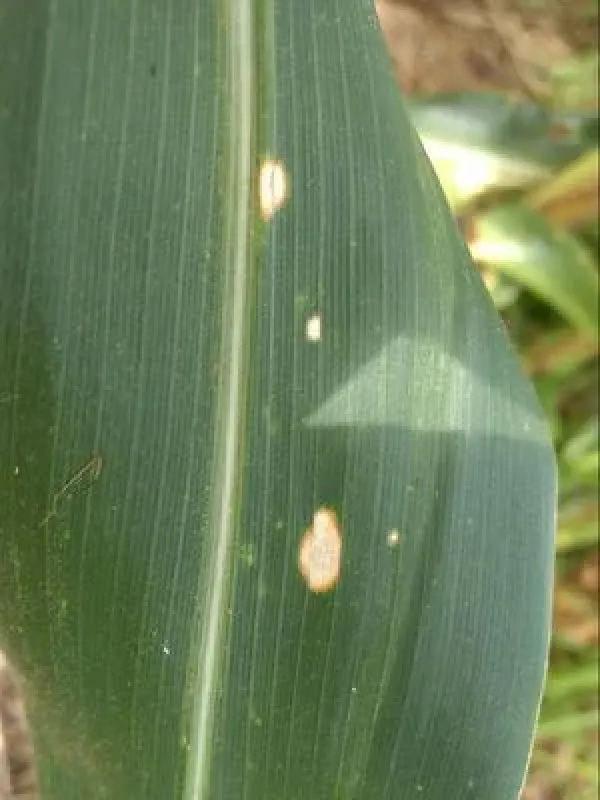
Symptoms typically manifest as necrotic spots on leaves, which may vary in shape and color, ranging from light brown to dark chocolate brown.
Black, pin-head sized reproductive structures appear within the necrotic tissue, signaling the maturation of the fungus and the potential for further spore production.
Severe infestations lead to premature yellowing, withering, and death of the leaf tissue, significantly reducing the plant's photosynthetic capacity.
In cases where the infection reaches the stem nodes, the tissue may darken and become brittle, increasing the risk of lodging for the crop.
Symptoms on corn can include cob rot or lesions on the husks, which can compromise grain quality and facilitate secondary fungal colonization.
Pathogen
The causative agent of the disease is the fungus Paraphaeosphaeria (notably Paraphaeosphaeria michotii), which belongs to the Ascomycota division.
This pathogen persists in soil and crop debris, acting as a saprophyte or weak parasite that becomes active under favorable environmental conditions.
The fungus produces fruiting bodies known as pseudothecia, which serve as the primary inoculum source for the infection cycle during the growing season.
Spore dispersal occurs primarily through rain splashes and wind, allowing the pathogen to spread rapidly across infected fields under humid conditions.
Molecular identification has confirmed that this fungus is frequently present in complex disease scenarios, often occurring alongside other cereal pathogens.
Conditions for development
The development of the disease is strictly dependent on high humidity and rainfall, as moisture is required for spore germination and infection.
Temperatures ranging between 18°C and 25°C are optimal for the growth and spread of the pathogen within the crop canopy.
Densely planted fields with poor air circulation retain humidity longer, creating a microenvironment that favors the rapid progress of the fungus.
The accumulation of infected crop residues on the soil surface is the primary factor that maintains a high disease pressure in agricultural systems.
Plant stress, caused by nutrient deficiencies, pest damage, or environmental factors, increases susceptibility to colonization by Paraphaeosphaeria.
Why it matters
The disease causes significant damage by limiting the leaf area, which reduces the plant's ability to accumulate biomass and fill grains properly.
Stem node infections disrupt the vascular system, impairing water and nutrient transport, which often leads to smaller, shriveled kernels.
Economic losses arise from both reduced grain yield and lower quality standards, making the harvest less marketable and potentially unfit for processing.
In cases of epidemic development, crop yield losses can be substantial, requiring costly fungicide interventions to prevent further spread.
The presence of the fungus in harvested grain can lead to secondary storage problems, increasing the risk of mold growth and potential mycotoxin issues.
Protection
Crop rotation is the most effective cultural practice to break the disease cycle and reduce the build-up of the pathogen in the soil.
Deep tillage or incorporation of crop residues into the soil helps accelerate the decomposition process and eliminates the primary inoculum.
Foliar application of systemic fungicides during critical growth stages is essential in high-risk areas to protect the flag leaf and developing ears.
Selecting resistant cultivars and ensuring optimal seeding rates are critical management strategies for minimizing disease impact in large-scale farming.
- Regular field monitoring for early symptoms of leaf spots.
- Balanced fertilization to enhance plant vigor and resistance.
- Strict adherence to sanitation practices for harvesting equipment.
Pathogens and affected parts
Affects crops · 3
Discussion
No discussions yet — be the first.