
Description
Symptoms
The symptoms of infestation are often expressed as general plant decline, which is frequently misidentified as nutrient deficiency or drought stress. Leaves may show signs of yellowing, and growth rates decrease significantly.
Inspection of the root system reveals necrotic lesions or darkened areas. Roots appear stunted and underdeveloped, with a notable loss of fine feeder rootlets, which severely limits the plant's nutrient uptake capacity.
In severe infestations, plants exhibit stunting, thinning stems, and reduced lateral branching. In alfalfa and bean fields, growers may observe patchy, uneven plant growth or stunted zones.
Cereal crops like wheat and sorghum often show reddened leaf tips and poor tillering. The root system loses turgor pressure, making the plants extremely susceptible to dry soil conditions and heat stress.
Definitive diagnosis requires professional laboratory analysis of soil and root samples, as the external symptoms frequently overlap with damage caused by other soil-borne pathogens or abiotic factors.
Pathogen
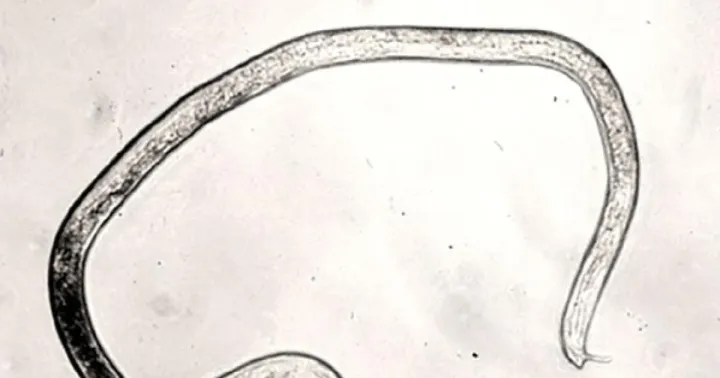
The spiral nematode belongs to the genus Helicotylenchus, which consists of microscopic plant-parasitic worms classified as semi-endoparasites. They are named for the characteristic spiral shape they assume when dormant or dead.
These pathogens infest the root systems of various crops, feeding either superficially or by partially penetrating root tissues. They are polyphagous pests capable of surviving in the soil for extended periods even when primary hosts are absent.
The life cycle includes eggs, four larval stages, and adults. Reproduction occurs within the soil environment, where the nematodes actively migrate toward the roots of emerging seedlings to feed.
Spiral nematodes exhibit high adaptability to various soil types and environmental conditions. This resilience allows them to establish stable populations across diverse agricultural landscapes, posing a persistent threat.
The species affects a wide range of economically important crops, including alfalfa (Medicago sativa), common bean, sorghum, cacao, and winter wheat, making them a significant concern for global agriculture.
Conditions for development
The ideal conditions for spiral nematode development are soil temperatures ranging from 20 to 28 degrees Celsius. Within this thermal range, the reproductive cycle is accelerated, leading to population explosions.
Soil moisture is a critical driver for nematode migration. These parasites require moisture films within the soil pores to move effectively toward host roots; however, excessive saturation or extreme drought can inhibit their activity.
Soils rich in organic matter provide excellent protection for nematodes during the off-season. They can survive adverse conditions by entering an inactive state within root debris and soil aggregates.
The dissemination of these nematodes to new fields typically occurs through infected planting material, contaminated agricultural machinery, or irrigation water that carries infested soil particles.
Monocropping practices on the same field for multiple seasons inevitably lead to a buildup of the nematode population, creating a high-pressure environment that is difficult to manage without strategic interventions.
Why it matters
Spiral nematodes inflict direct damage by compromising the integrity of the root vascular system. This disruption prevents the efficient transport of water and essential minerals from the soil to the plant canopy.
The resulting economic harm is seen in substantial yield losses. In heavily infested fields, crop yields for sensitive species like beans or alfalfa can be reduced by 20–40%, leading to significant financial setbacks.
Infested roots provide entry points for secondary infections by fungi and bacteria. These secondary pathogens, such as Fusarium, often capitalize on the damaged tissue, accelerating plant decline and eventual mortality.
In cereals such as wheat, nematode damage leads to the development of shriveled grain and decreased quality. This reduces the market value and viability of the harvested crop for seed purposes.
Chronic infestation weakens the plant's overall immune system, leaving crops vulnerable to additional stressors, including fluctuating weather patterns and suboptimal fertilization regimens.
Protection
Management starts with prevention: utilizing certified, nematode-free seeds and thoroughly cleaning machinery between field operations are the first lines of defense against spread.
Implementing a science-based crop rotation is crucial. By rotating with non-host crops, farmers can effectively disrupt the nematode's feeding cycle and suppress the growth of the soil population.
Cover crops and green manure varieties that possess natural nematicidal properties can be integrated into the rotation to reduce the pathogen burden through biological suppression.
Cultivation practices that improve soil structure and aeration can make the environment less hospitable for nematode development and migration.
- Regular soil sampling and laboratory analysis.
- Prompt removal and destruction of infested plant debris.
- Use of chemical nematicides only when thresholds are exceeded.
- Aggressive weed control to eliminate alternative nematode hosts.
Pathogens and affected parts
Affects crops · 5
Discussion
No discussions yet — be the first.