
Rhipsalis
Rhipsalis
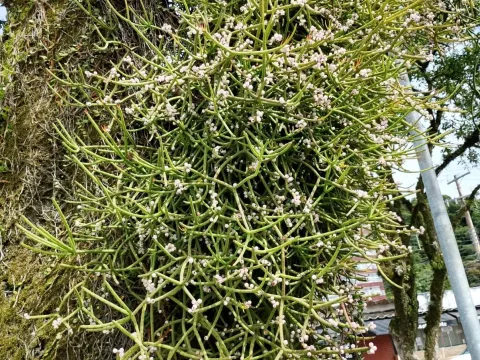
Rhipsalis is a genus of epiphytic cacti belonging to the Cactaceae family. These plants are native to the tropical forests of Central and South America, as well as parts of Africa and the Indian Ocean islands, where they primarily grow on trees.
What the section contains
 Rhipsalis
 hybrids
Rhipsalis
Rhipsalis hybrids
 Rhipsalis agudoensis
Rhipsalis agudoensis
Rhipsalis agudoensis
 Rhipsalis burchellii
Rhipsalis burchellii
Rhipsalis burchellii
 Rhipsalis cereoides
Rhipsalis cereoides
Rhipsalis cereoides
 Rhipsalis cereuscula
Rhipsalis cereuscula
Rhipsalis cereuscula
 Rhipsalis crispata
Rhipsalis crispata
Rhipsalis crispata
 Rhipsalis dissimilis
Rhipsalis dissimilis
Rhipsalis dissimilis
 Rhipsalis elliptica
Rhipsalis elliptica
Rhipsalis elliptica
 Rhipsalis floccosa
Rhipsalis floccosa
Rhipsalis floccosa
 Rhipsalis grandiflora
Rhipsalis grandiflora
Rhipsalis grandiflora
 Rhipsalis hoelleri
Rhipsalis hoelleri
Rhipsalis hoelleri
 Rhipsalis juengeri
Rhipsalis juengeri
Rhipsalis juengeri
 Rhipsalis mesembryanthemoides
Rhipsalis mesembryanthemoides
Rhipsalis mesembryanthemoides
 Rhipsalis micrantha
Rhipsalis micrantha
Rhipsalis micrantha
 Rhipsalis neves-armondii
Rhipsalis neves-armondii
Rhipsalis neves-armondii
 Rhipsalis oblonga
Rhipsalis oblonga
Rhipsalis oblonga
 Rhipsalis occidentalis
Rhipsalis occidentalis
Rhipsalis occidentalis
 Rhipsalis pachyptera
Rhipsalis pachyptera
Rhipsalis pachyptera
 Rhipsalis paradoxa
Rhipsalis paradoxa
Rhipsalis paradoxa
 Rhipsalis pentaptera
Rhipsalis pentaptera
Rhipsalis pentaptera
 Rhipsalis pilocarpa
Rhipsalis platycarpa
Rhipsalis platycarpa
Rhipsalis pilocarpa
Rhipsalis pilocarpa
Rhipsalis platycarpa
Rhipsalis platycarpa
 Rhipsalis pulchra
Rhipsalis pulchra
Rhipsalis pulchra
 Rhipsalis puniceodiscus
Rhipsalis puniceodiscus
Rhipsalis puniceodiscus
 Rhipsalis russellii
Rhipsalis russellii
Rhipsalis russellii
 Rhipsalis shaferi
Rhipsalis shaferi
Rhipsalis shaferi
 Rhipsalis trigona
Rhipsalis trigona
Rhipsalis trigona
Rhipsalis
Botanically, Rhipsalis is distinguished by its lack of spines and its diverse stem shapes, which can be cylindrical, angled, or flattened. This adaptation allows the plant to thrive in the filtered light of dense forest canopies where humidity levels are consistently high.
For cultivation, Rhipsalis requires a well-draining substrate, typically a mixture of orchid bark, peat moss, and perlite. This mimics their natural epiphytic environment, allowing for rapid water drainage and good air circulation around the roots.
Climate requirements include moderate temperatures, ideally between 18°C and 24°C. While they appreciate high humidity, they must be protected from direct sunlight, which can quickly cause discoloration and scorching of the delicate succulent stems.
In terms of agricultural and horticultural use, Rhipsalis is highly valued for indoor ornamental applications. Its unique growth habit makes it perfect for hanging baskets, and it is known for its ability to improve indoor air quality, making it a staple in modern biophilic design.
The most common pests affecting Rhipsalis are mealybugs, which tend to hide in the joints of the stems. Scale insects and spider mites can also pose significant threats, especially in environments with low humidity where the plant's natural defenses are lowered.
Fungal infections, particularly root rot, are the primary physiological threats caused by overwatering or poor drainage. Once root rot begins, the stems can become mushy and collapse, often signaling an advanced stage of infection that is difficult to reverse.
Control measures involve applying targeted insecticides to combat infestations. For fungal issues, it is essential to cease watering, ensure better airflow, and potentially repot the plant into fresh, sterile, and well-draining soil to stop the spread of decay.
Preventative care is the best strategy, which includes regular monitoring of stem segments and maintaining a consistent watering schedule that allows the soil to dry slightly between irrigation sessions. Proper sanitation of tools used for propagation is also critical.
Environmental management is key to preventing outbreaks. Keeping the plant in a location with stable temperatures and indirect light will keep the Rhipsalis vigorous, making it more resistant to opportunistic pests and pathogens found in domestic environments.