
Centaurium pulchellum
Centarium pulchellum
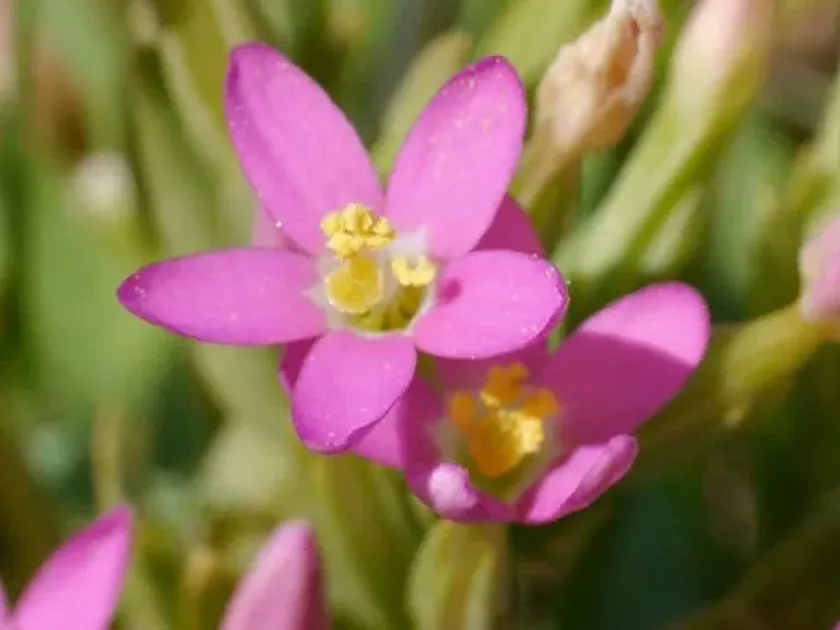
Description
Sowing dates
Sowing of Centaurium pulchellum is typically performed in early spring once soil temperatures reach 10-12 degrees Celsius. Because the seeds are extremely small, they should not be buried deeply, but rather sown on the surface and lightly pressed into the soil to ensure access to light.
In commercial cultivation, starting seeds in trays is recommended to ensure uniform germination and optimal plant density. This approach helps reduce early-stage weed competition, which can be critical for the slow-growing seedlings.
An ideal planting layout involves row spacing of 20 to 30 centimeters. This distance provides adequate room for development and allows for easier mechanical or manual weeding throughout the vegetation period.
For late-autumn sowing, it is essential to protect seeds from excessive moisture and premature germination caused by winter thaws. Preparing a fine, crumbly soil structure free of perennial weeds is vital for success.
Germination can take up to 25 days, during which consistent soil surface moisture must be maintained. Drying out during this initial phase is the primary cause of crop failure for young seedlings.
Growing requirements
Centaurium pulchellum, a member of the Gentianaceae family, thrives in open, sun-exposed areas. Shading must be avoided, as it significantly reduces the concentration of active medicinal compounds in the foliage.
The crop prefers moderately moist, neutral to slightly alkaline soils. It is particularly well-adapted to habitats rich in calcium, reflecting its natural occurrence on damp meadows and alongside water bodies.
Agronomic management requires a stable moisture supply, but waterlogging must be strictly avoided to prevent root diseases. Well-drained, humus-rich loamy soils are ideal for maintaining plant health.
While the species demonstrates considerable environmental plasticity, it is sensitive to strong winds. A mild spring and temperate summer with regular rainfall provide the best conditions for building up biomass.
Periodic cultivation between rows is essential for soil aeration and suppressing weed growth. Ensuring oxygen reaches the root system is a key factor in promoting vigorous plant development and resilience.
Main diseases and pests
Fungal diseases are the primary threat, especially in humid conditions. Root rots and powdery mildew are the most common infections that can rapidly compromise crop health if left unmanaged.
Pests such as aphids and various leaf-eating beetles can cause significant damage. These infestations are most problematic during dry spells, which weaken the plant's natural immune response to environmental stressors.
To mitigate the risk of disease, strict crop rotation is mandatory; the plant should not be grown on the same plot for at least three to four years. Using bio-fungicides can provide effective protection in high-risk periods.
Weeds are the greatest competitors for young plants. Manual weeding is often required early in the season to prevent the crop from being choked out by faster-growing aggressive weeds.
Regular phytosanitary monitoring during the flowering stage is necessary. Quickly identifying and removing infected specimens helps prevent the spread of disease, protecting the overall yield of the plantation.
Harvesting
The harvest of Centaurium pulchellum should be performed during the peak flowering stage. This is when the plant's concentration of bitter glycosides is highest, ensuring maximum quality for pharmaceutical processing.
Harvesting involves cutting the aerial parts of the plant at a height of 5-10 centimeters above the ground. Avoiding damage to the root rosette is crucial for maintaining the vigor of the plant bed.
Harvested material must be transported to the drying facility immediately to prevent overheating or decomposition. Keeping the plants loose during transport is key to maintaining high-quality raw material.
Drying is conducted in shaded areas with excellent ventilation. Temperatures should be kept between 35 and 40 degrees Celsius to effectively dry the herb while preserving its natural color and bioactive properties.
Once dried, the crop is cleaned of impurities and packed into breathable paper bags. Storage must be in a cool, dry, and dark environment to protect the product from moisture and degradation over time.