
Rhipsalis oblonga
Rhipsalis oblonga
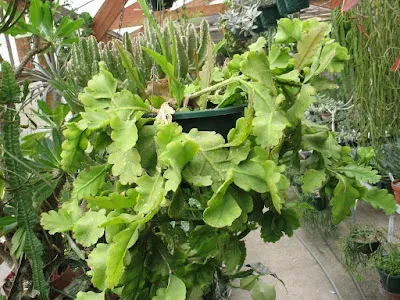
Description
Growing requirements
Rhipsalis oblonga is a member of the Cactaceae family, specifically classified as a tropical epiphytic cactus. Unlike its desert counterparts, this species thrives in humid forest conditions, naturally growing on tree branches and in rock crevices.
The native distribution of this plant is concentrated in the tropical regions of South America. In its natural habitat, it benefits from diffused canopy light and high levels of atmospheric humidity, which are essential for maintaining the health of its succulent segments.
The botanical architecture of Rhipsalis oblonga consists of flattened, elongated, and segmented stems. These segments possess a distinct texture and create a cascading growth habit that makes the plant highly valued for ornamental and horticultural applications.
For successful cultivation, the growing medium must be highly porous and well-draining. A specialized epiphyte mix containing bark, perlite, and high-quality peat is recommended to provide the necessary aeration for the root system to prevent rot.
Optimal environmental management requires a temperate climate with minimal fluctuations. Maintaining consistent ambient temperatures and frequent misting allows the plant to mimic its native tropical environment, leading to robust development and potential flowering.
Main diseases and pests
The most common biological threats to this crop are sap-sucking insects, primarily mealybugs and spider mites. These pests can cause significant damage to the epidermis of the stem segments, leading to physiological stress and secondary infections if left unchecked.
Fungal issues, particularly stem rot, are primarily caused by overwatering or poor drainage systems in the container. Preventive maintenance includes ensuring the substrate is allowed to dry out significantly between watering intervals to preserve root integrity.