
Butyagrus nabonnandii
Butyagrus nabonnandii
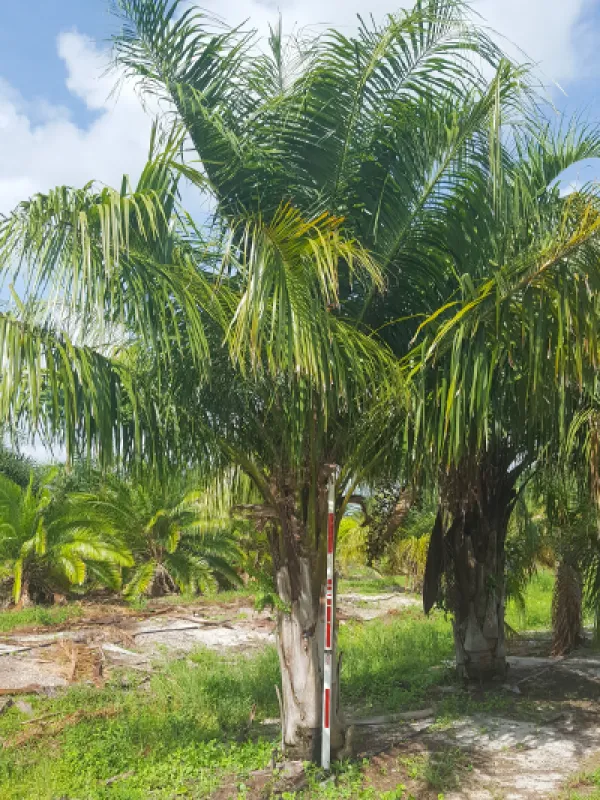
Description
Growing requirements
Butyagrus nabonnandii is a stunning intergeneric hybrid palm tree belonging to the family Arecaceae. It results from the cross-breeding of the Pindo palm (Butia odorata) and the Queen palm (Syagrus romanzoffiana), combining the best features of both species.
This culture thrives in locations with abundant sunlight and requires protection from extreme, harsh winds. It is ideally suited for subtropical environments where it can demonstrate a moderate level of cold tolerance compared to other palm species.
Regarding soil, the plant prefers well-drained, fertile substrates with a pH balance leaning towards neutral or slightly acidic. Proper drainage is essential to prevent water accumulation, which can cause significant damage to the root system.
Effective agrotechnical practices for this hybrid involve a regular fertilizing schedule that focuses on potassium and magnesium supplementation to support healthy leaf color and structural integrity of the trunk.
In ornamental horticulture, Butyagrus nabonnandii is highly valued for its elegant, feathery fronds and overall aesthetic impact. It is frequently planted as a focal point in high-end landscape designs and botanical gardens.
Main diseases and pests
Common health challenges for this palm include fungal pathogens such as pink rot, which is often exacerbated by high humidity levels and insufficient airflow within the canopy.
Pests like spider mites, scale insects, and occasionally mealybugs pose a threat to the plant, feeding on leaf tissue and weakening the palm's overall vigor if left unchecked.
Nutrient deficiencies, particularly manifesting as leaf chlorosis, are common issues caused by unbalanced soil composition or improper fertilization programs.
Root damage resulting from overwatering or poorly managed soil moisture is a leading cause of plant failure, particularly in young specimens undergoing acclimatization.
Maintaining a clean growing environment and monitoring for pest activity are the primary strategies to prevent widespread damage and ensure the longevity of the palm.