
Rhipsalis shaferi
Rhipsalis shaferi
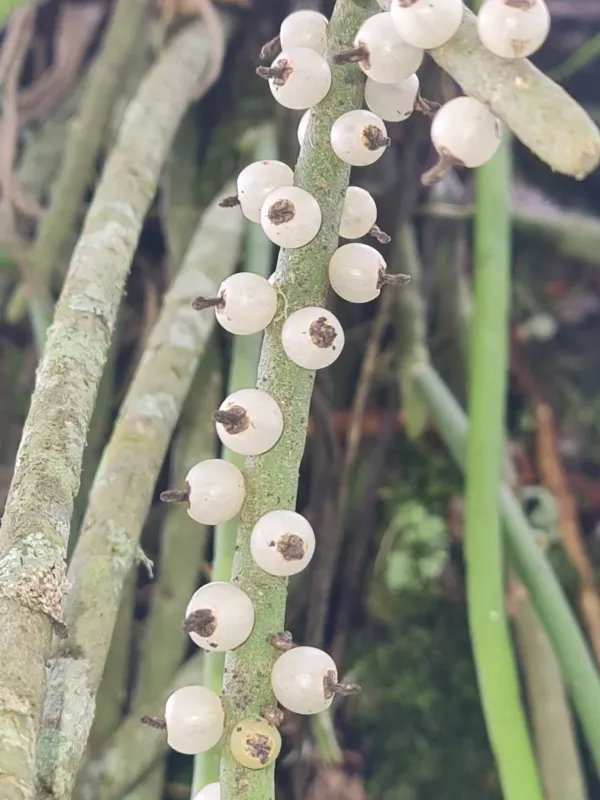
Description
Growing requirements
Rhipsalis shaferi is a botanical species belonging to the family Cactaceae. Unlike typical desert cacti, this plant is an epiphyte native to the tropical forests of South America, specifically in regions of Argentina and Paraguay.
The plant is distinguished by its slender, elongated, and pendulous stems that exhibit a characteristic segmented structure. In the wild, it grows on tree branches, where it receives indirect light filtered through the canopy, adapting perfectly to this niche.
Cultivation of this crop requires a loose, well-draining potting medium. A mixture of peat, perlite, and pine bark is recommended to mimic the epiphytic environment and prevent root asphyxiation, which is common in compact garden soils.
Regarding climate, the plant thrives in temperatures between 18°C and 24°C during the growing season. It requires a period of rest during winter, where cooler temperatures (around 12-15°C) are beneficial for stimulating future flowering cycles.
Lighting should be bright but strictly diffused. Exposure to direct sun will cause the epidermis of the stems to scorch, leading to unattractive scarring and loss of vigor, so east or west-facing windows are ideal placements.
Main diseases and pests
The primary agricultural threat to Rhipsalis shaferi is root rot caused by poor irrigation management. Maintaining a soggy substrate encourages anaerobic bacteria and fungi, which quickly degrade the plant's delicate root system.
Pests, particularly the mealybug and spider mite, pose significant challenges to plant health. These insects frequently colonize the segments where they can easily hide and feed on plant sap, weakening the overall structure of the specimen.
Spider mites are especially prevalent in dry indoor climates. Regular misting and maintaining adequate humidity levels are essential cultural practices to prevent these pests from establishing significant colonies on the stems.
To control infestations, systemic insecticides are generally effective, though application must be cautious to avoid damaging the plant's sensitive surface. Integrated pest management protocols suggest physical removal followed by biological or chemical treatments.
Proactive monitoring is vital. Regularly checking the base of the stems and the undersides of segments allows for early detection of potential threats, ensuring the longevity and aesthetic quality of this ornamental cactus species.