
Rhipsalis pachyptera
Rhipsalis pachyptera
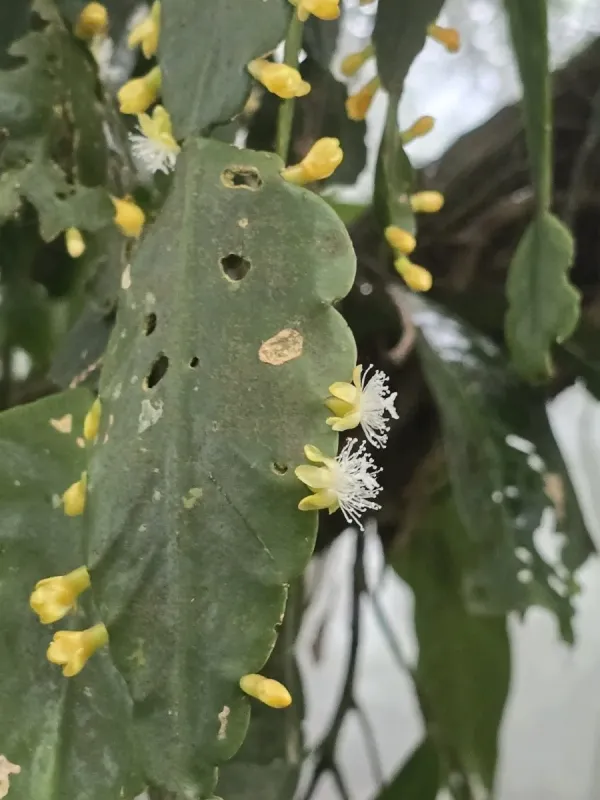
Description
Growing requirements
Rhipsalis pachyptera is an epiphytic cactus belonging to the family Cactaceae. Native to the humid rainforests of Southeastern Brazil, this plant thrives as an epiphyte, anchoring itself to tree branches and rocky crevices where it captures moisture from the air and decaying organic matter.
Cultivation requires a controlled climate that mimics its natural rainforest habitat, with temperatures consistently ranging between 20°C and 25°C. High atmospheric humidity is critical, as the plant absorbs a significant portion of its hydration through its specialized tissue structure.
The substrate must be exceptionally well-draining, consisting of a mix of peat moss, pine bark, perlite, and charcoal to prevent root hypoxia. Since the root system is adapted to epiphytic life, it is extremely intolerant of standing water or dense, heavy garden soils.
Exposure to bright, filtered light is essential for optimal growth and to maintain the vibrant green color of its flattened, leaf-like stem segments. Intense, direct sun exposure during the day must be avoided to prevent scorched tissues and stunted development of the photosynthetic apparatus.
Commercially, the species is valued in the ornamental plant trade as a hanging or trailing plant. Its unique architectural appearance makes it an ideal choice for interior landscaping, conservatories, and specialized vertical gardens that require low-maintenance tropical species.
Main diseases and pests
The most common pests affecting Rhipsalis pachyptera include mealybugs and spider mites, which typically thrive in dry indoor environments with poor airflow. Regular monitoring of the plant segments and maintaining adequate humidity levels are the primary preventative measures against these infestations.
Pathogenic fungi, particularly those causing stem and root rot, represent the most significant threat to plant health in high-moisture setups. Prevention hinges on using sanitized growing media, ensuring proper pot drainage, and allowing the substrate to partially dry between watering cycles.