
Rhipsalis paradoxa
Rhipsalis paradoxa
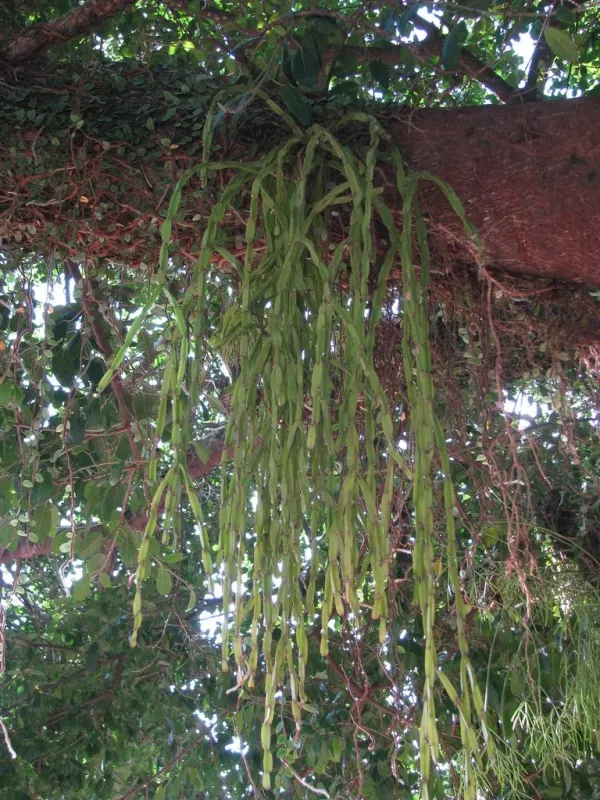
Description
Growing requirements
Rhipsalis paradoxa is a fascinating member of the Cactaceae family, native to the tropical rainforests of Brazil. Unlike typical desert cacti, this species is an epiphyte, naturally growing on tree branches and in rock crevices, which dictates its specific needs in terms of cultivation and environment.
The plant requires bright, indirect light to thrive; direct sunlight can easily scorch its delicate, segmented stems. Maintaining stable indoor temperatures between 18°C and 25°C is essential for optimal growth, as the plant is sensitive to thermal shock and cold drafts characteristic of temperate winters.
Regarding soil requirements, Rhipsalis paradoxa needs a well-draining, airy substrate. A mix consisting of peat moss, pine bark, perlite, and a small amount of charcoal is highly recommended to mimic the nutrient-rich, aerated forest debris environment where these plants naturally flourish.
Agrotechnical management includes a consistent watering schedule where the soil is allowed to dry slightly between waterings, but never completely bone-dry. Periodic misting is highly beneficial, as it compensates for lower humidity levels often found in indoor environments and promotes healthy stem segment elongation.
The primary horticultural use of this species is ornamental. It is widely prized by collectors and interior designers for its architectural "chain-like" stems, making it an excellent candidate for hanging baskets or high-shelf displays where its cascading growth habit can be fully appreciated.
Main diseases and pests
Common pests affecting Rhipsalis paradoxa include mealybugs and spider mites, which thrive in stagnant, dry air conditions. These pests often congregate in the crevices between stem segments, making them difficult to detect until an infestation is well-established and requires chemical intervention.
Fungal pathogens and root rot are the primary health risks, usually triggered by overwatering or poor drainage systems. To maintain plant health, it is critical to ensure that the potting medium remains loose and that the plant is never allowed to sit in excess water, which leads to tissue necrosis.