
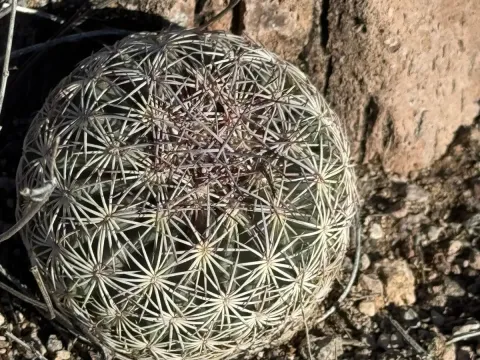
Sclerocactus
Sclerocactus
Cultivating Sclerocactus from seed is a challenging task that requires controlled greenhouse conditions. The ideal sowing period occurs during early spring, specifically from late March to mid-April, when temperatures begin to rise.
What the section contains
 Sclerocactus blainei
Sclerocactus blainei
Sclerocactus blainei
 Sclerocactus brevihamatus
Sclerocactus brevihamatus
Sclerocactus brevihamatus
 Sclerocactus cloverae
Sclerocactus cloverae
Sclerocactus cloverae
 Sclerocactus glaucus
Sclerocactus glaucus
Sclerocactus glaucus
 Sclerocactus mesae-verdae
Sclerocactus mesae-verdae
Sclerocactus mesae-verdae
 Sclerocactus nyensis
Sclerocactus nyensis
Sclerocactus nyensis
 Sclerocactus papyracanthus
Sclerocactus papyracanthus
Sclerocactus papyracanthus
 Sclerocactus polyancistrus
Sclerocactus polyancistrus
Sclerocactus polyancistrus
 Sclerocactus pubispinus
Sclerocactus pubispinus
Sclerocactus pubispinus
 Sclerocactus sileri
Sclerocactus sileri
Sclerocactus sileri
 Sclerocactus spinosior
Sclerocactus spinosior
Sclerocactus spinosior
 Sclerocactus whipplei
Sclerocactus whipplei
Sclerocactus whipplei
 Sclerocactus wrightiae
Sclerocactus wrightiae
Sclerocactus wrightiae
Sclerocactus
The sowing substrate must be sterile and highly porous, consisting mainly of coarse sand, perlite, and fine crushed charcoal. It is crucial to maintain a consistent temperature range of 20–25 degrees Celsius for successful germination.
Seeds of this genus often exhibit dormancy, which may require scarification or a period of cold stratification to trigger the emergence of seedlings. Covering the seed tray is necessary to maintain high humidity during the initial weeks.
Seedlings develop very slowly and are notoriously fragile. Pricking out should be delayed for at least a year until the young cacti have sufficient size and a developed root system to withstand transplanting.
Due to the slow growth rate of young Sclerocactus, grafting seedlings onto vigorous rootstocks, such as Myrtillocactus or Echinopsis, is a widely accepted technique in modern agronomy to promote faster maturation.
The genus Sclerocactus belongs to the Cactaceae family and is native to the arid environments of the southwestern United States. These plants are highly adapted to rocky, well-drained soils and intense solar radiation.
The soil mixture must be purely mineral, with no organic content like peat or humus. A mix of pumice, crushed granite, and a small portion of loam is recommended to ensure rapid drainage and prevent the roots from rotting.
Sunlight is the most critical environmental factor for this species. Sclerocactus plants require maximum exposure to direct, unobstructed sunlight to maintain their dense spine structure and characteristic compact form.
Irrigation must be strictly managed, with water provided only during the active growing season. The substrate must dry out completely between waterings, and a dry winter dormant period at cool temperatures is essential for survival.
Effective ventilation is mandatory for these plants. Stagnant air coupled with moisture is a death sentence for Sclerocactus, as it promotes physiological stress and makes the epidermis susceptible to infection.
Root rot is the most frequent cause of mortality in Sclerocactus cultivation, typically resulting from improper substrate composition or overwatering. Once rot begins, it is often irreversible for the specimen.
Mealybugs are the primary insect pests affecting these cacti. They hide deep within the dense spination, making manual control difficult, so systemic insecticide treatments are often necessary for complete eradication.
Spider mites are common in dry greenhouse conditions, feeding on the surface of the stem and causing unsightly discoloration. Increasing ventilation or utilizing specific miticides can effectively manage these populations.
Fungal infections, such as late blight or stem spots, often occur if the plants are exposed to cold and damp conditions simultaneously. Ensuring good sanitation and proper airflow is the best preventative strategy.
- Root rot (overwatering)
- Mealybugs
- Spider mites
- Stem fungal infections