
Rhipsalis elliptica
Rhipsalis elliptica
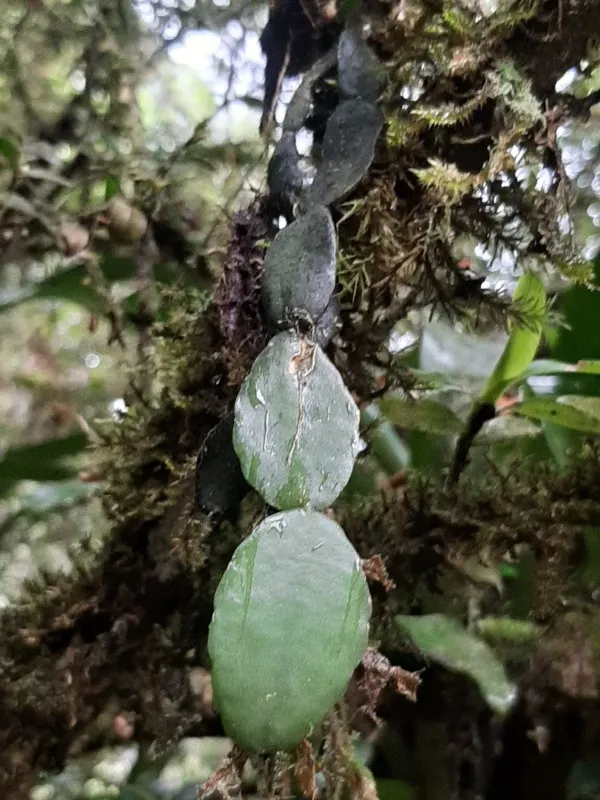
Description
Growing requirements
Rhipsalis elliptica is a distinctive species of epiphytic cactus belonging to the Cactaceae family. Originating from the humid forests of Brazil, this plant naturally thrives in the crotches of trees where organic matter accumulates.
Botanically, it is characterized by flattened, leaf-like segments that form long, cascading stems. This adaptation allows the plant to maximize light absorption in the shaded environments of its native canopy habitats.
To cultivate this species successfully, it requires bright, filtered light. An east-facing window is usually optimal, as it provides morning light while protecting the plant from the harsh intensity of direct afternoon sun.
The substrate must be well-draining, mimicking an epiphytic environment. A mix containing peat moss, pine bark, and perlite ensures adequate aeration for the delicate root system, preventing compaction over time.
Consistent humidity is vital. While the plant can tolerate short periods of dryness, it performs best when kept in an environment with ambient humidity above 50%, often achieved through regular misting or gravel trays.
Main diseases and pests
The primary pests affecting Rhipsalis elliptica are mealybugs and spider mites. Mealybugs often settle in the crevices between stem segments, making them difficult to detect until an infestation is well-established.
Spider mites thrive in arid indoor conditions. Their feeding results in small, unsightly brown spots on the epidermis, which can reduce the ornamental value of the cactus if left untreated.
Root rot is the most significant disease risk. It is predominantly caused by overwatering or using a potting mix that lacks sufficient drainage, leading to oxygen deprivation in the root zone.
Management of these threats involves a combination of cultural and chemical controls. Maintaining proper air circulation is essential to prevent fungal outbreaks and create an unfavorable environment for mite proliferation.
In cases of severe infestation, growers should isolate the plant, remove heavily damaged segments, and utilize targeted insecticidal soaps or neem oil solutions to mitigate the pest pressure effectively.