
Rhipsalis occidentalis
Rhipsalis occidentalis
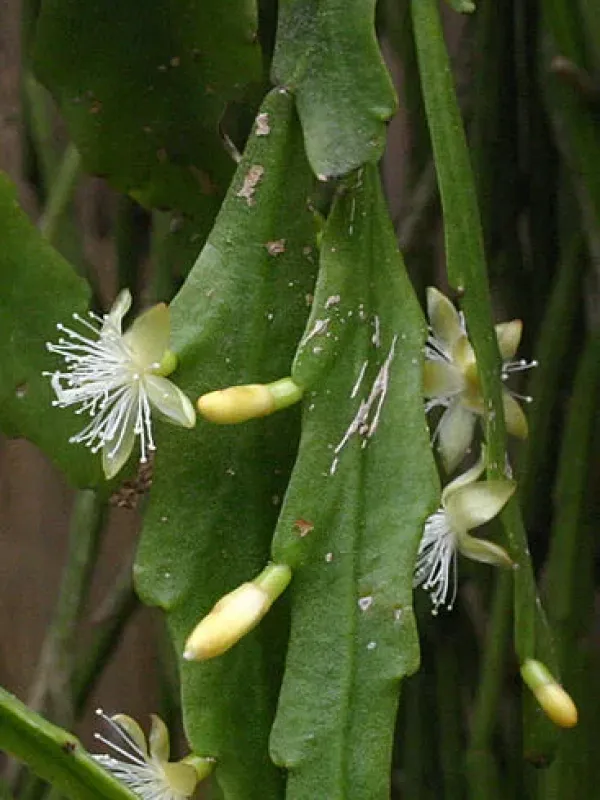
Description
Growing requirements
Rhipsalis occidentalis is an epiphytic species belonging to the Cactaceae family, native to the tropical rainforests of South America, specifically regions in Ecuador and Peru. As an epiphyte, it naturally grows on host trees, absorbing moisture and nutrients from the air and decaying debris.
Botanically, this species is defined by its cascading, multi-branched stems that lack traditional spines. Its structure is highly specialized for moisture retention, allowing it to survive in the humid, filtered-light environments found beneath the dense forest canopy of its native range.
Cultivation requires strict adherence to environmental parameters: temperatures between 18 and 24 degrees Celsius are optimal. The plant thrives in high-humidity conditions and requires bright, indirect light, as direct tropical sunlight can cause rapid chlorosis or tissue damage to the stems.
The choice of soil medium is critical; it must mimic the aeration of a tree bark environment. A mixture composed of peat moss, pine bark, perlite, and a small portion of charcoal provides the necessary drainage and moisture-retention properties required for healthy root function.
Agronomic practices for this culture include consistent watering using soft, room-temperature water. While the plant requires constant humidity, it does not tolerate waterlogging, which often leads to the decline of the root system and encourages the development of physiological stress.
Main diseases and pests
Common pests affecting Rhipsalis occidentalis include mealybugs and spider mites, which can proliferate quickly in controlled indoor or greenhouse environments with low air circulation. Early intervention with horticultural oils or biological control agents is essential to prevent large-scale infestation.
Disease management focuses on preventing root rot and stem rot caused by fungal pathogens such as Pythium or Phytophthora. These conditions are almost exclusively triggered by improper irrigation schedules or stagnant water, necessitating a preventative approach centered on substrate drainage.