
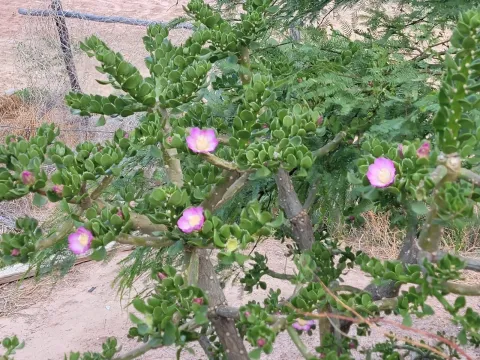
Quiabentia
Quiabentia
Quiabentia is a distinctive genus of succulent plants within the Cactaceae family. Unlike many other cacti, these plants are known for their tree-like or shrubby growth habits and the presence of persistent, well-developed leaves, which are primitive characteristics within the Opuntioideae subfamily.
What the section contains


Quiabentia
Native to South America, specifically in regions across Argentina, Bolivia, and Paraguay, these plants are well-adapted to arid environments. Their evolutionary survival mechanisms allow them to thrive in harsh, sun-drenched habitats where water availability is highly seasonal.
To successfully cultivate Quiabentia, growers must provide ample sunlight. Full sun exposure is critical for maintaining the plant's structural integrity and preventing etiolation. In temperate climates, these plants should be placed in the brightest available spot, typically a south-facing window or a greenhouse.
The choice of substrate is paramount; a highly porous, gritty mix is essential to prevent water accumulation around the roots. Using a combination of coarse sand, pumice, and minimal organic matter creates the optimal environment that mimics their natural rocky soil conditions.
Proper agro-technical management involves a strict seasonal watering schedule. During the active growth phase, the soil should be watered thoroughly but allowed to dry out completely between applications. In the winter dormancy period, watering must be kept to a minimum to encourage the plant's natural rest cycle.
The primary threat to Quiabentia is moisture-related fungal infection. Overwatering or poor drainage often leads to root rot, which can quickly spread to the stems. Keeping the plant in a dry, well-ventilated area is the most effective preventative measure against such diseases.
Spider mites are common pests that thrive on these plants, especially in environments with low humidity. These microscopic pests attack the leaves and stems, causing discoloration and significant physiological stress that can lead to leaf drop if left untreated.
Mealybugs are another frequent issue, often hiding in the crevices between branches. If an infestation is detected, physical removal using an alcohol-soaked swab is effective for small numbers, while systemic insecticides are recommended for more severe outbreaks.
Scale insects may also appear, appearing as small, hard, armored bumps on the plant's surface. These should be scraped off carefully to avoid damaging the epidermis, followed by an application of appropriate horticultural oil or systemic treatment to ensure complete eradication.
Maintaining high hygiene standards in the growing area is crucial. Cleaning pots, using sterilized tools for pruning, and ensuring adequate airflow between plants will significantly reduce the likelihood of pest and pathogen outbreaks, ensuring the long-term health of your Quiabentia collection.