
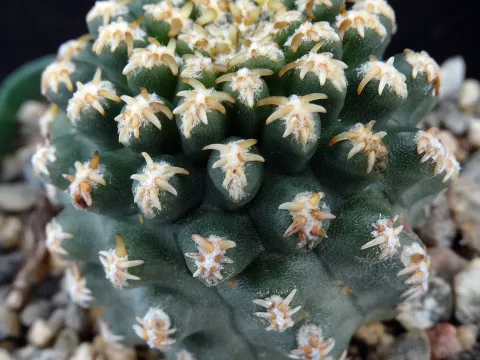
Pygmaeocereus
Pygmaeocereus
Pygmaeocereus is a genus of miniature cacti within the family Cactaceae. Originating from the arid, rocky landscapes of Peru and Chile, these plants have evolved into small, compact forms that are highly valued by succulent enthusiasts and botanical collectors worldwide.
What the section contains


Pygmaeocereus
To cultivate these cacti successfully, high levels of sunlight are mandatory. In indoor settings, south-facing windows or supplemental LED grow lights are necessary to maintain the plant's natural morphology and prevent etiolation, which is a common stress reaction in low-light environments.
The substrate must be extremely well-draining. A typical potting mix should consist of inorganic components such as pumice, perlite, and coarse sand. Organic matter, like peat or compost, should be kept to an absolute minimum to prevent the substrate from staying damp for too long.
Climate management is crucial for the survival of Pygmaeocereus. During the growing season, they thrive in warm temperatures with good airflow. However, a strict dormant period is required in winter, characterized by cool, dry conditions, which is essential for triggering the plant's reproductive phase.
Watering requirements are minimal. The plant should be watered only during the active growth phase, and even then, only when the soil has dried out completely. During winter dormancy, watering should be suspended entirely to prevent any risk of root rot during colder, darker months.
The most significant threats to Pygmaeocereus are fungal infections, primarily root rot, caused by overwatering or poorly draining soil. Once a fungal infection reaches the vascular system of the cactus, it is often impossible to reverse the damage, leading to the rapid decay of the plant body.
Pests such as red spider mites and mealybugs represent the primary biological threats. Spider mites can cause scarring on the epidermis, while mealybugs can hide in the crevices of the plant, drawing nutrients and stunting growth while introducing secondary pathogens.
Integrated pest management is recommended for maintaining healthy collections. This includes regular manual inspection of the cacti, utilizing quarantine protocols for new plants, and the application of specialized systemic pesticides or neem oil when infestation occurs.
Nutrient management is another aspect of care that impacts plant resistance. Using high-potassium fertilizers specifically formulated for cacti during the growth period helps strengthen cell walls, making the plant more resistant to both environmental stress and pest attacks.
Good ventilation is the best preventative measure against many pests and diseases. By ensuring constant air movement, the humidity around the plant remains low, significantly reducing the likelihood of fungal outbreaks on the epidermis or the surface of the growing medium.