
Rhipsalis hoelleri
Rhipsalis hoelleri
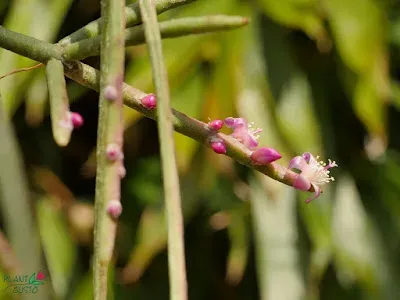
Description
Growing requirements
Rhipsalis hoelleri is a fascinating epiphytic plant belonging to the Cactaceae family. Originating from the humid forests of Brazil, this species is uniquely adapted to growing on tree trunks rather than in soil, utilizing organic debris for nutrients.
Botanically, this plant is characterized by its thin, pendulous, and branching stems. These stems are segmented, allowing the plant to trail beautifully, which makes it a popular specimen for hanging baskets and vertical greening projects in controlled environments.
The climate requirements for Rhipsalis hoelleri involve maintaining a warm and humid atmosphere. The plant thrives best in temperatures between 20°C and 25°C. It is sensitive to cold drafts and should be protected from temperatures below 15°C to avoid tissue damage.
Soil requirements focus on extreme aeration and drainage. A standard mix should include peat moss, orchid bark, perlite, and coarse sand. This ensures that water drains rapidly, mimicking the natural environment of an epiphyte where roots are never submerged in stagnant water.
Regarding light, this plant prefers bright, indirect sunlight. It is essential to avoid direct mid-day sun, which can scorch the delicate epidermis of the segments. A location with morning sun or filtered light throughout the day is ideal for sustained growth.
Main diseases and pests
The most significant threats to Rhipsalis hoelleri are fungal infections caused by overwatering. When the root system remains saturated for extended periods, the plant becomes highly susceptible to root rot, which is often irreversible if not detected early.
Pests such as mealybugs are common, hiding in the junctions of the segments where they feed on sap. Spider mites may also infest the plant if the relative humidity levels are consistently too low, leading to mottled and discolored stem tissue.
Effective management of these threats involves monitoring moisture levels strictly. The potting medium should be allowed to dry out significantly between waterings to prevent the development of anaerobic conditions that favor pathogens.
For pest control, horticultural oils or systemic insecticides are recommended if infestations occur. However, prevention through improved air circulation and humidity regulation is the most successful strategy for maintaining a healthy specimen.
Sanitation practices are also crucial, including the regular removal of dead stem segments and the disinfection of pruning tools. Keeping the plant environment clean significantly reduces the risk of accidental spread of fungal spores.