
Rhipsalis puniceodiscus
Rhipsalis puniceodiscus
Description
Growing requirements
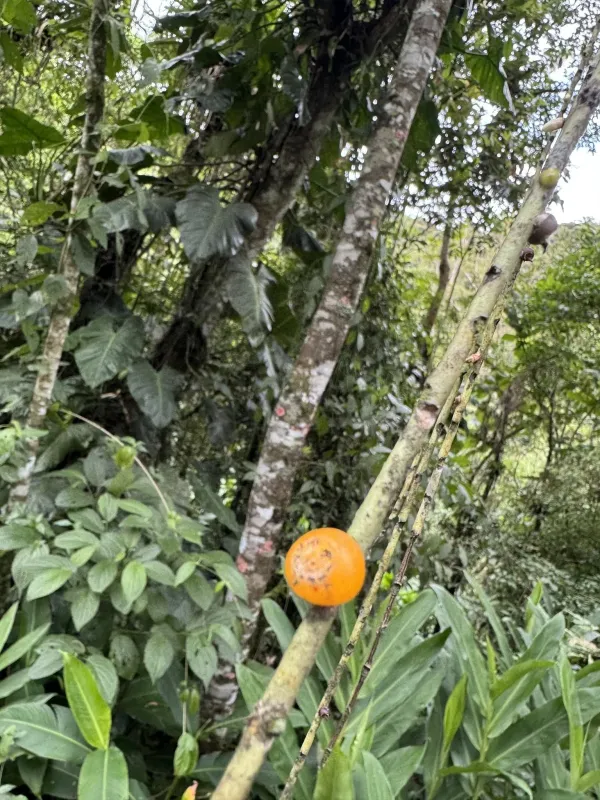
Rhipsalis puniceodiscus is an epiphytic cactus belonging to the Cactaceae family, native to the tropical rainforests of Brazil. Unlike desert cacti, this species has evolved to thrive in humid, shaded environments where it grows on the branches of trees, utilizing organic debris for nutrients.
Cultivation requirements involve providing bright but indirect light, as direct sun exposure can bleach the stems and cause significant tissue damage. Maintaining an ambient temperature range of 18–24°C is essential for sustaining optimal metabolic rates and steady growth throughout the season.
The potting medium must mimic the natural epiphytic habitat, emphasizing excellent drainage and aeration. A mixture containing peat moss, pine bark, perlite, and a small amount of charcoal is highly effective in preventing root compaction and ensuring the roots receive adequate oxygen.
Agronomic management requires consistent irrigation, ensuring the growing medium remains moist but never waterlogged. Overwatering is the most common error in cultivation, as the fine root system of this species is highly susceptible to hypoxia and subsequent rot if trapped in stagnant moisture.
Humidity management is crucial for the overall health of this plant. Since it absorbs moisture from the air, maintaining a humidity level of 60% or higher, combined with periodic misting, will enhance the development of its characteristic stems and prevent the premature wilting of segments.
Main diseases and pests
The primary pests affecting this species are mealybugs, which often cluster at the junctions of the stems, and spider mites, which thrive in dry indoor conditions. Regular monitoring of the foliage and the use of insecticidal soap or neem oil are standard measures for effective control.
Root rot, often caused by Phytophthora or Pythium species, remains the most significant threat to plant longevity. Prevention depends entirely on adjusting irrigation schedules and ensuring the potting container has adequate drainage holes to prevent excess water accumulation.