
Rhipsalis cereoides
Rhipsalis cereoides
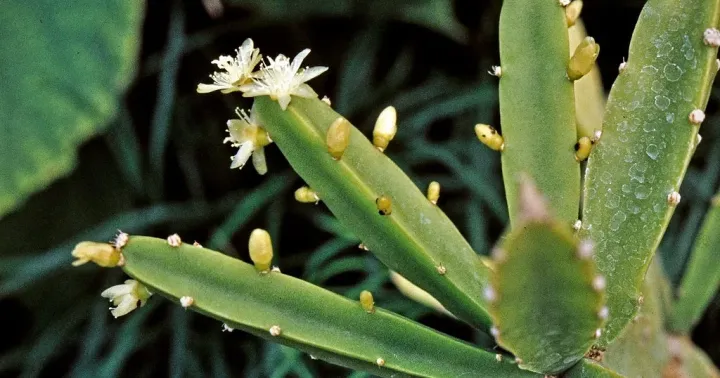
Description
Growing requirements
Rhipsalis cereoides is a distinctive epiphytic cactus belonging to the Cactaceae family. It is native to the tropical rainforests of Brazil, where it naturally inhabits tree trunks and branches in high-humidity environments.
The culture requires bright, indirect light to flourish. Direct sunlight must be avoided as it can scorch the segmented stems, while insufficient light may result in weak, elongated growth and a loss of the plant's structural integrity.
Temperature requirements involve maintaining a steady range between 18 and 24 degrees Celsius. It is crucial to protect the plant from cold drafts, which can cause significant stress and trigger premature dropping of stem segments.
The growing medium must be highly porous and well-draining. A typical potting mix for this species consists of peat-based substrate combined with orchid bark, perlite, and coarse sand to ensure oxygen reaches the root system effectively.
Watering practices should focus on keeping the substrate consistently moist but never waterlogged. During the active growth season, water whenever the top third of the soil feels dry to the touch, ensuring excellent drainage in the container.
Main diseases and pests
Common pests that affect Rhipsalis cereoides include mealybugs and spider mites. These pests thrive in dry conditions and can quickly infest the joints between the stem segments if not managed promptly.
Fungal infections and root rot are the primary threats associated with improper watering. Overwatering remains the most critical issue, often leading to irreversible damage to the root system and base of the plant.
Cultural control, such as manual cleaning of the stems and ensuring adequate air ventilation, is effective in preventing pest outbreaks. Regular monitoring of the plant’s health is an essential part of the agricultural management cycle.
Chemical treatments should be applied with caution, utilizing systemic insecticides or acaricides only when cultural methods fail. Always verify the compatibility of the chosen product with epiphytic succulents.
To minimize disease pressure, maintain high relative humidity around the plant without allowing moisture to accumulate directly on the stems for extended periods, as this encourages the development of mold and pathogens.