
Root-knot nematode
Meloidogyne incognita
Description
Symptoms
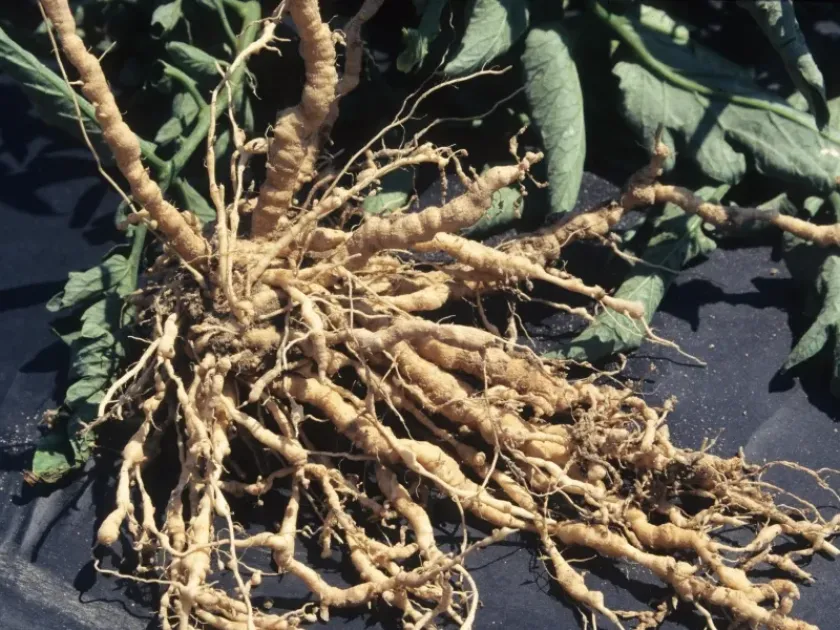
The most diagnostic feature is the development of root galls, which are knot-like swellings on the root system. These galls disrupt the flow of water and nutrients throughout the plant.
Above-ground symptoms include stunted growth, chlorosis, and general plant weakness. The foliage often appears yellow, and the overall plant vigor is significantly reduced compared to healthy counterparts.
Affected plants often show premature wilting, especially during hot parts of the day, as the compromised root system fails to meet the plant's water demands through transpiration.
In root crops and bulbs, the disease can manifest as deformed shapes or uneven tissue growth. While galls may be smaller on some varieties, the overall quality of the harvest is consistently diminished.
In field crops like oats or rapeseed, infestation often leads to patches of uneven development or poor emergence, where plants fail to establish properly due to early-stage root damage.
Pathogen
The causal agent of this disease is the obligate parasite Meloidogyne incognita, a plant-parasitic nematode. This microscopic roundworm is a widespread pest that primarily colonizes the root tissues of host plants.
The life cycle begins when second-stage juveniles penetrate roots and induce the formation of specialized feeding sites known as giant cells. The nematodes then develop into stationary females, causing visible swellings called galls.
This species is highly polyphagous, attacking a wide range of agricultural crops including onions, garlic, celery, peanuts, oats, fodder beet, Indian mustard, and winter rapeseed.
Spread occurs primarily through contaminated soil, irrigation water, and the movement of infected transplant seedlings or bulbs from infested fields to new areas.
Under favorable conditions, especially in protected cultivation or warm climates, the nematode can complete multiple generations within a single season, leading to rapid soil infestation.
Conditions for development
Meloidogyne incognita thrives in warm soil environments, with temperatures between 20°C and 30°C being optimal for rapid development and reproduction.
Soil moisture is a crucial factor for mobility. Adequate soil moisture allows the infective larvae to migrate effectively through soil pores to find susceptible plant roots.
Soil texture plays a significant role in distribution; light sandy or silty soils allow for faster nematode movement compared to heavier clay soils, which can sometimes restrict their migration.
Monocropping is a primary driver of population buildup. Growing the same susceptible crop in the same soil for multiple years allows the nematode population to reach destructive levels very quickly.
The lack of crop rotation and the absence of stringent quarantine measures regarding the import of farm tools or soil-based plant material contribute heavily to the disease's global spread.
Why it matters
The economic impact of this nematode is severe, often resulting in significant yield losses, ranging from partial reduction to complete crop failure in highly infested fields.
Direct damage to roots inhibits nutrient and water uptake, resulting in lower biomass production, poorer grain fill in cereals, and smaller bulb size in garlic and onions.
Damaged root tissues serve as entry points for secondary pathogens, such as soil-borne fungi and bacteria, which often accelerate root rot and total plant collapse.
Reduced produce quality makes it difficult to store or transport harvested crops, as lesions and deformities caused by the nematodes become sites for rapid spoilage and decay.
For farmers, this necessitates additional costs for soil treatment, crop rotation management, or the abandonment of infested fields for several years to allow populations to decline naturally.
Protection
Integrated Pest Management (IPM) is the best approach. Crop rotation with non-host or antagonistic crops, such as marigolds or mustard, can naturally suppress nematode populations.
Strict sanitation is essential. Always use clean, certified seeds and transplants, and ensure that farm machinery is thoroughly cleaned before moving from infested fields to clean ones.
Biological control using beneficial fungi, such as Paecilomyces lilacinus, can be effective in reducing the number of viable nematode eggs and juveniles in the soil.
Chemical control using soil fumigants or nematicides can be utilized when populations are high, though these treatments must be handled with care and strictly according to regional safety regulations.
Good agricultural practices, including proper fertilization to boost plant vigor and deep plowing after harvest, can help reduce the soil nematode load and minimize the impact on subsequent crops.
In brief
60
Affects crops
Biology
Pathogens and affected parts
Pathogens
Meloidogyne incognita· nematode
Meloidogyne arenaria· nematode
Meloidogyne hapla· nematode
Meloidogyne javanica· nematode
Pratylenchus pratensis· nematode
Heterodera medicaginis· nematode
Meloidogyne naasi· nematode
Meloidogyne artiellia· nematode
Heterodera trifolii· nematode
Meloidogyne chitwoodi· nematode
Meloidogyne fallax· nematode
Pratylenchus coffeae· nematode
Affected plant parts
rootwhole plantstembulbseedleafear
Content graph
Affects crops · 60
AlfalfaAppleApricotArabica coffeeBananaBlack walnutBleeding heart vineCarnationCeleryChickpeaCitrusCoffea canephoraCommon beanCommon hopCommon oatCommon sunflowerCommon walnutCottonDate palmDuracina cherryField mintField peaFodder beetGarlicGerbera jamesoniiHempImpatiensIndian mustardIvy-leaved pelargoniumJerusalem artichokeLentilLettuceLiquidambarOnionPapayaPassion fruitPeanutPelargoniumPepperPeppermintPersian cyclamenPlatanusPoinsettiaPoison primrosePrimrosePrimulaPrimula malacoidesRiceSafflowerScented geraniumSour cherrySoybeanSpearmintStrawberrySweet potatoTobaccoTurnipWatermelonWinter barleyWinter rapeseed
Content graph
Connections · Root-knot nematode
Most often together:
Marketplace
Products · 125

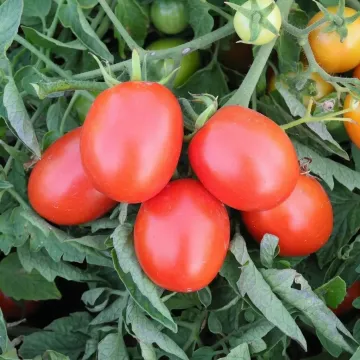
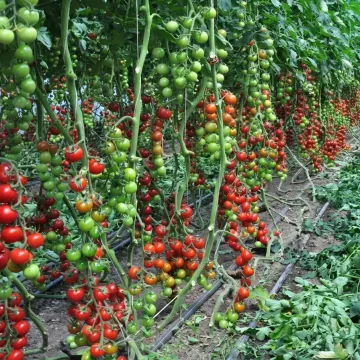


Yuchi 8168 F1 / UG 8168 F1
Unigen Seeds (United Genetics)
Tomato
0
0
·
1.5K
1 offer
13.21 €per 1000 seeds
Buy







Community
Discussion
No discussions yet — be the first.