
Meadow nematode
Pratylenchus pratensis
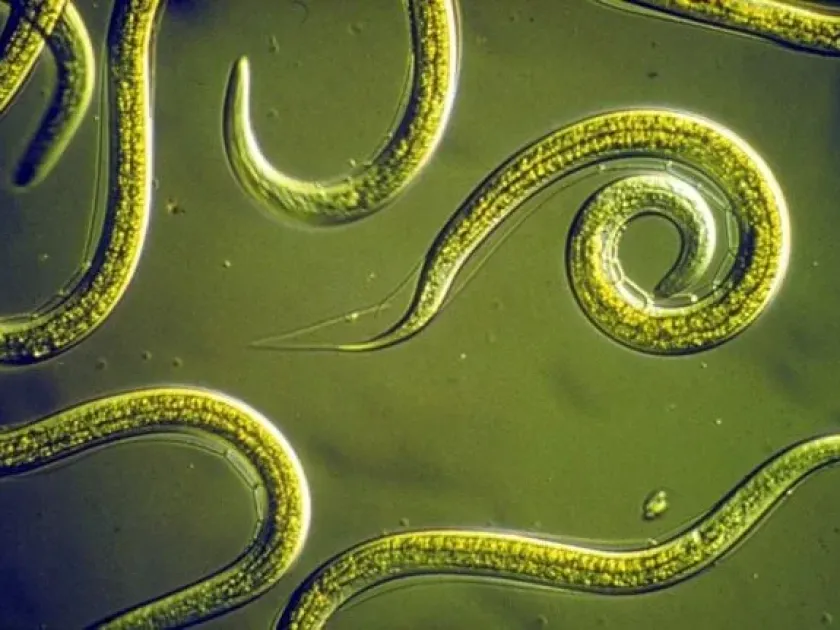
Description
How to identify
The meadow nematode, known scientifically as Pratylenchus pratensis, is a migratory endoparasitic worm belonging to the family Pratylenchidae. It is a major soil-borne pathogen affecting various plant species worldwide.
Adult nematodes are tiny, measuring between 0.4 and 0.6 mm in length. Their bodies are vermiform, allowing them to move efficiently through the soil and penetrate the cortical tissue of plant roots.
Their mouthparts feature a specialized stylet used for piercing cell walls. By secreting enzymes during feeding, they destroy the cell contents, which leads to tissue necrosis and severe damage to the plant's vascular integrity.
The life cycle involves an egg stage, several juvenile stages, and the adult stage. The nematodes can complete their development both inside the root tissues and within the surrounding soil environment.
Unlike cyst nematodes, these parasites remain mobile throughout their life cycle. They continuously migrate, entering and leaving roots to find optimal feeding sites, which increases their potential for causing damage.
What it damages
Pratylenchus pratensis is highly polyphagous, meaning it has a vast host range. It attacks major field crops such as wheat, barley, maize, potatoes, and sugar beets, as well as many forage grasses.
The feeding activity directly destroys the root cortex. This disruption prevents the plant from absorbing adequate water and essential minerals, leading to stunting and severe reduction in biomass production.
Root lesions caused by nematode feeding provide entry points for soil fungi and bacteria. This complex interaction often leads to devastating root rot, which is frequently the true cause of crop failure.
Visible damage in the field is usually expressed as patchy growth or poor crop establishment. The plants appear sickly, thin, and often show symptoms of nutrient deficiency regardless of soil fertilization.
Economic losses are significant due to decreased yields and poorer produce quality. In high-value crops like potatoes, the lesions can also directly affect the tuber surface, reducing market value.
When it appears
Meadow nematodes thrive in moderate temperatures, typically ranging from 15 to 25 degrees Celsius. Their metabolic activity and reproduction rates are highest during the active growing season.
Moisture is critical for their survival and movement. In saturated soil conditions, their dispersal rate increases as they swim through the thin water films covering soil particles.
During unfavorable conditions, such as extreme heat or cold, these nematodes can enter a state of dormancy, surviving in the deeper soil layers until more favorable moisture and temperature return.
Dissemination is largely passive. Human activities, including moving machinery between fields with soil on tires, transport of infested seeds or tubers, and irrigation water, are the primary vectors.
Once established in a field, the population density builds up steadily if a continuous host crop is grown, making the management of perennial grasses and weeds crucial for control.
Signs of infestation
The above-ground symptoms are often nonspecific, including chlorosis, wilting during hot weather, and general stunting. These signs are often misdiagnosed as drought or nitrogen starvation.
Upon closer inspection, the root system shows a characteristic reduction in volume. The roots are often darkened, brown, or black, with visible necrotic lesions caused by active nematode penetration.
A classic sign is the proliferation of fine lateral roots (the "witches' broom" effect) as the plant attempts to compensate for the death of primary root tips killed by the nematodes.
Under heavy infestation, the entire root system may appear shredded or stunted. When pulled from the soil, affected plants offer little resistance, as the root anchor is severely compromised.
- Stunted growth and poor overall plant vigor.
- Yellowing (chlorosis) of lower leaves.
- Browning and necrosis on the root surface.
- Reduced crop yield and poor tuber quality.
- Patchy appearance within the agricultural field.
Control measures
Crop rotation is the most effective cultural practice. Rotating away from host crops toward non-host species like certain brassicas or specific cover crops can help decline the nematode population.
Sanitation is vital. Cleaning equipment to remove soil before moving from infested to clean fields is a mandatory practice to prevent the further spread of the meadow nematode.
The use of certified nematode-free planting material is essential. For many root crops, hot water treatments are sometimes employed to kill nematodes within the seed stocks before planting.
Chemical control is rarely used due to environmental concerns and the high cost of soil fumigants. It is generally restricted to nurseries or very high-value glasshouse crops.
Biological control methods are gaining popularity, using nematode-trapping fungi or antagonistic soil bacteria to naturally reduce the population levels in the rhizosphere.
Discussion
No discussions yet — be the first.