
False root-knot nematode
Meloidogyne fallax
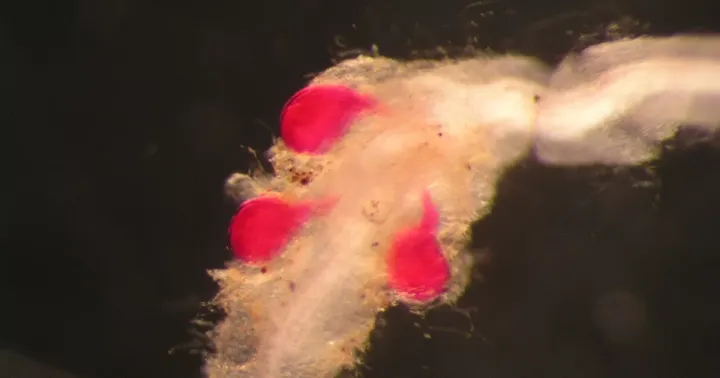
Description
How to identify
Meloidogyne fallax is a species of plant-parasitic nematode belonging to the family Meloidogynidae. It is a microscopic, soil-borne pathogen that obligately feeds on the roots of various host plants.
The life cycle consists of an egg stage, four larval stages, and an adult stage. Second-stage juveniles (J2) are the infectious stage, actively seeking out and penetrating the root tissues.
Because of their microscopic size, these nematodes are impossible to identify in the field without the help of specialized diagnostic tests and morphological analysis of perineal patterns.
This species is highly adaptable and thrives in cool to temperate climates, making it a persistent and difficult-to-eradicate pest in many agricultural regions.
Dissemination occurs primarily through the movement of contaminated soil attached to farm machinery, footwear, tools, and the transport of infested planting material or tubers.
What it damages
Meloidogyne fallax attacks a wide range of economically important crops, including potatoes, tomatoes, carrots, parsnips, and lettuce, causing significant disruption to the host's vascular system.
By feeding inside the roots, the nematodes disrupt the plant's ability to transport water and essential nutrients, which severely impacts the overall development and yield potential.
The damage to root tissues often leads to stunted growth, wilting, and chlorosis in the above-ground portions of the affected plants, reducing the final harvest quality.
The damage caused by these nematodes also creates entry points for various soil-borne bacteria and fungi, leading to secondary rot diseases that can destroy the entire crop.
Economic losses are substantial, particularly due to the reduction in market quality of root crops, which often show visible deformities that make them unmarketable.
Signs of infestation
The most characteristic sign of infestation is the formation of galls (knots) on the root systems, which vary in size depending on the level of infection.
In the field, infected crops typically show uneven growth, appearing as patches of stunted, yellowing plants that wilt more quickly during hot, dry weather conditions.
Potatoes and root vegetables often exhibit surface irregularities, such as bumps, cracks, and distortions, which are direct indicators of the presence of the nematode.
Plants struggling with an infestation often exhibit signs of stress, including premature senescence and reduced biomass accumulation, even under adequate irrigation and fertilization.
Careful inspection of roots during the mid-to-late growing season reveals extensive galling, often accompanied by secondary necrosis as the root tissues begin to break down.
Control measures
Effective management begins with strict biosecurity measures, such as the exclusive use of certified, nematode-free planting material to prevent initial infestations.
Implementing long-term crop rotation strategies using non-host crops or antagonistic cover crops, such as specific Brassica species, can help lower nematode populations in the soil.
Hygiene is crucial: farm equipment, tools, and machinery must be thoroughly washed and disinfested to ensure that contaminated soil is not moved between fields.
Integrated Pest Management (IPM) practices, which combine cultural control, biological control, and the judicious use of nematicides, are required to manage long-term outbreaks.
Regular monitoring of fields through soil sampling and root analysis is essential to detect early infestations and allow for timely quarantine and localized containment efforts.
Discussion
No discussions yet — be the first.