

Phylloxera
Phylloxera
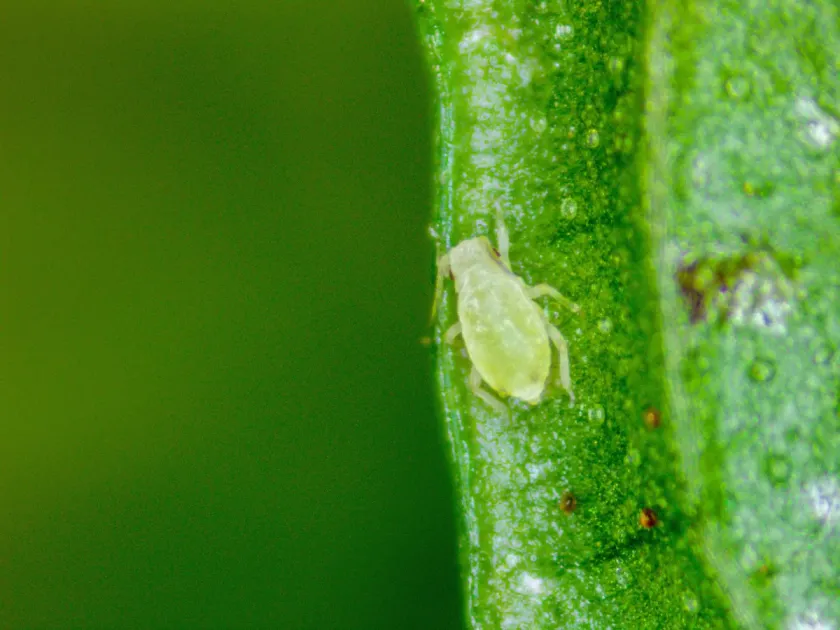
Description
How to identify
Phylloxera (Daktulosphaira vitifoliae) is a microscopic insect belonging to the family Phylloxeridae. It is a highly destructive pest that primarily targets grapevines.
The insect possesses a complex life cycle consisting of root, leaf, winged, and sexual forms. In most vineyard environments, the root-feeding form is the primary cause of damage.
Adult insects are tiny (approx. 1 mm), yellow to brown in color, and possess piercing-sucking mouthparts that damage plant tissue during feeding.
The lifecycle is adapted to survive in soil and on roots, making the pest extremely difficult to eradicate once it has established itself in a vineyard.
Different generations can exist simultaneously, and the "crawler" stage is responsible for spreading the infestation to neighboring healthy vines via soil cracks.
What it damages
Phylloxera feeds on the roots of Vitis species, particularly the highly susceptible European cultivars (Vitis vinifera). It causes significant physiological stress.
Feeding induces the formation of galls (nodosities and tuberosities) on the roots. These growths block the transport of water and nutrients, eventually leading to rot.
Leaf-galling occurs in some wild American grape species, where the insect creates small, blister-like swellings on the leaves to house its offspring.
Root damage facilitates the entry of secondary pathogens, such as fungi and bacteria, which accelerates the collapse of the entire vine system.
Without intervention, infested European vineyards typically decline and die within a few years, making it one of the most feared agricultural pests in history.
Signs of infestation
Early symptoms include a gradual loss of vigor, stunted shoot growth, and chlorosis. Infected vines often exhibit reduced fruit set and poor maturation.
Physical inspection of the root zone reveals characteristic swellings and necrotic areas. The roots lose their fine hair and eventually turn black and brittle.
The presence of leaf galls on younger foliage is a clear indicator of a leaf-form infestation, commonly seen in specific viticulture regions.
Infected vineyard blocks often show distinct patterns of decline, where clusters of vines wither and die in spreading patches across the soil.
- Stunted growth and poor vine vigor.
- Yellowing of leaves in late summer.
- Presence of characteristic galls on leaves.
- Root swelling and necrosis found during soil checks.
- Premature vine mortality across the vineyard.
Control measures
The primary control method is the use of grafted vines onto phylloxera-resistant rootstocks, typically derived from native American grapevine species.
Strict quarantine protocols are essential to prevent the spread of the pest, including the inspection and certification of all nursery planting materials.
Chemical control options are limited due to the insect's subterranean location. Soil fumigation or specific systemic insecticides are sometimes used in emergency scenarios.
Integrated Pest Management (IPM) focuses on maintaining healthy soil and vine vigor to mitigate the effects of the pest until replanting with resistant stock can be performed.
In the event of a severe, localized infestation, the common practice is to remove and destroy the affected vines and perform thorough soil sanitation to eliminate remaining populations.
Content graph
Connections · Phylloxera
Most often together:
Marketplace
Products · 82






Biology
Taxonomy
- Latin name
- Phylloxera
- Order
- Hemiptera (bugs, aphids, leafhoppers)
- Family
- Phylloxeridae
- EPPO code
- PHYXSP
Community
Discussion
No discussions yet — be the first.