


SKU #46043
·
84 views
Bianca
Grape
User rating
0 votes0% positive reviews
No ratings yet — be the first.
Ripening Period
Early
Cold Resistance
High (up to -24°C)
Resistance to Mildew
High
Resistance to oidium
High
Prices in stores
from1.55 €per seedling
pack from 1 € per pack
8 offers from 8 stores
Store offers · 8 from 8 stores
Prices are updated on loadLoading offers…
Available at: Agrosvit Sad · Экосад · Fitosad · Florium · Кліома Сервіс · LeafLand · Saduua · shop-vinecom · TataSad
Aggregator catalog: prices are collected automatically from store websites, normalized by AI and converted at the current exchange rate. Before ordering, confirm the price and availability on the store's website. This block is not indexed by search engines — the data is loaded after the page opens.
About product

Bianca grape is an early-ripening white grape variety developed in the 1960s by crossing the Villar blanc and Chasselas blanc varieties. This variety features medium-sized vines with upright shoots and an airy canopy. Bianca's clusters are small, cylindrical or pyramidal, weighing approximately 90-120 grams, with moderate density. The berries are medium to small in size, round or slightly oval, ye…
Ripening Period
Early
Cold Resistance
High (up to -24°C)
Resistance to Mildew
High
Resistance to oidium
High
Description
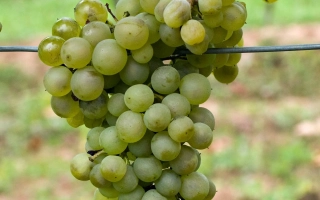
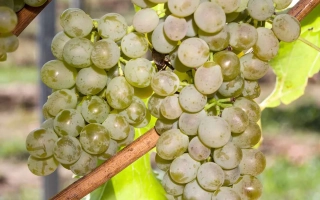
Bianca grape is an early-ripening white grape variety developed in the 1960s by crossing the Villar blanc and Chasselas blanc varieties. This variety features medium-sized vines with upright shoots and an airy canopy. Bianca's clusters are small, cylindrical or pyramidal, weighing approximately 90-120 grams, with moderate density. The berries are medium to small in size, round or slightly oval, yellow-green in color with a pinkish blush, weighing 1.5 to 2.5 grams, and contain 1-3 seeds. The flesh is juicy and fleshy, with a thin skin that imparts a harmonious flavor with floral-honey and muscat notes.
The Bianca variety is characterized by high sugar content, with sugar levels in the juice reaching up to 28%, and acidity of about 7-9 g/l, making it suitable for producing various types of wine — from dry and semi-sweet to fortified and dessert wines. The grapes can remain on the vine for an extended period, accumulating sugar with only a minor reduction in acidity, which broadens winemakers' options for harvest timing and final product type. The fruiting coefficient is approximately 1.8-1.9, and shoot maturation is good.
Bianca exhibits high resistance to fungal diseases such as mildew, oidium, and gray rot, as well as tolerance to phylloxera. The variety’s frost resistance reaches -25-27°С, enabling cultivation in harsh continental climates. It is recommended for non-covered, rootstock-based cultivation without chemical protection. The variety is compatible with most rootstocks and requires pruning to 4-6 buds. Due to its qualities and adaptability, Bianca is successfully cultivated in many viticultural regions, including demanding quality wine regions in Germany.
The Bianca variety is characterized by high sugar content, with sugar levels in the juice reaching up to 28%, and acidity of about 7-9 g/l, making it suitable for producing various types of wine — from dry and semi-sweet to fortified and dessert wines. The grapes can remain on the vine for an extended period, accumulating sugar with only a minor reduction in acidity, which broadens winemakers' options for harvest timing and final product type. The fruiting coefficient is approximately 1.8-1.9, and shoot maturation is good.
Bianca exhibits high resistance to fungal diseases such as mildew, oidium, and gray rot, as well as tolerance to phylloxera. The variety’s frost resistance reaches -25-27°С, enabling cultivation in harsh continental climates. It is recommended for non-covered, rootstock-based cultivation without chemical protection. The variety is compatible with most rootstocks and requires pruning to 4-6 buds. Due to its qualities and adaptability, Bianca is successfully cultivated in many viticultural regions, including demanding quality wine regions in Germany.
Video · 10 videos
Suggest a video →Crop & resistance
Crop
Disease resistance
Pest resistance
Specifications hover over for a hint about the specification
|
Ripening Period
Ripening Period
It takes 70-100 days until pepper reaches flowering stage, 130-160 days until technical fruit ripeness, and 135-180 days until physiological ripeness. |
Early |
|---|---|
| Cold Resistance | |
| Resistance to Mildew | |
| Resistance to oidium | |
| Resistance to Gray Mold | |
| Bush Growth Power | |
| Bunch Size | Small (up to 300 g) |
| Berry Size | Medium (2–5 g), Fine (<2 g) |
| Berry Color | |
| Flavor | |
| Sugar Content | High (>20%) |
| Zoning | |
| Assignment | |
| Features | |
| Registration year | 2007 |
| Catalog | Catalog → Grape |
| Legal data |
Show · 1
|
| Country | Ukraine |
Not yet комментариев. Be the first!
Alternatives
Grapevine saplings · similar varieties


See also
Often considered together with this variety




Recently viewed
Products you’ve viewed on this site
Reviews · 0