


SKU #62290
·
40 views
Alcor
Grape
SCFSCVVUser rating
0 votes0% positive reviews
No ratings yet — be the first.
Ripening Period
Mid-late
Cold Resistance
Average (up to -21°C)
Resistance to Mildew
High
Yield
High
About product

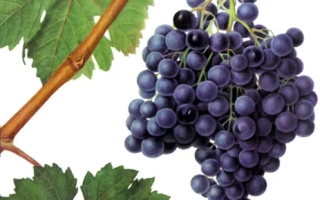
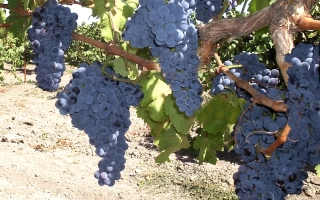
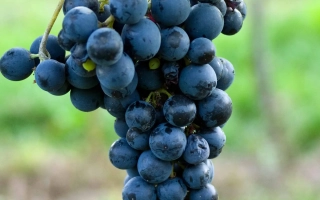
The Acor grape variety is medium-late and was obtained by crossing the Serexia and Cabernet-Sovignon varieties. Harvest is collected in the third decade of September; the variety is distinguished by high yield, reaching 150 c/ha in self-rooted culture. Bunches are loose, medium-sized, conical in shape, while berries are oval, medium-sized with thin but strong blue skin. The berry juice is characte…
Ripening Period
Mid-late
Cold Resistance
Average (up to -21°C)
Resistance to Mildew
High
Yield
High
Description
The Acor grape variety is medium-late and was obtained by crossing the Serexia and Cabernet-Sovignon varieties. Harvest is collected in the third decade of September; the variety is distinguished by high yield, reaching 150 c/ha in self-rooted culture. Bunches are loose, medium-sized, conical in shape, while berries are oval, medium-sized with thin but strong blue skin. The berry juice is characterized by intense color and high sugar content — 22.8-23.8 g/100 cm³, while acidity is 7.5-8.0 g/dm³. In terms of anthocyanin content, the variety surpasses Sapera, reaching 1260 mg/100 g.
Acor is characterized by comparative resistance to fungal diseases such as mildew and gray rot, and also has tolerance to root phylloxera with a score of 3.5 points. Frost resistance of the variety is from -20 to -22 degrees Celsius, which requires mandatory covering of bushes for the winter to preserve the harvest and health of the plants.
This grape variety is widely used for the production of high-quality red table and dessert wines. Table wines are distinguished by intense color, delicate aroma, and a full harmonious taste with bell pepper nuances. Dessert and liqueur wines have a balanced and soft taste, and with aging, a delicate bouquet develops with honey and chocolate tones, making them particularly attractive to wine connoisseurs.
Acor is characterized by comparative resistance to fungal diseases such as mildew and gray rot, and also has tolerance to root phylloxera with a score of 3.5 points. Frost resistance of the variety is from -20 to -22 degrees Celsius, which requires mandatory covering of bushes for the winter to preserve the harvest and health of the plants.
This grape variety is widely used for the production of high-quality red table and dessert wines. Table wines are distinguished by intense color, delicate aroma, and a full harmonious taste with bell pepper nuances. Dessert and liqueur wines have a balanced and soft taste, and with aging, a delicate bouquet develops with honey and chocolate tones, making them particularly attractive to wine connoisseurs.
Crop & resistance
Crop
Disease resistance
Pest resistance
Specifications hover over for a hint about the specification
|
Ripening Period
Ripening Period
It takes 70-100 days until pepper reaches flowering stage, 130-160 days until technical fruit ripeness, and 135-180 days until physiological ripeness. |
Mid-late |
|---|---|
| Cold Resistance | |
| Resistance to Mildew | |
|
Yield
Yield
Overall bulb harvest per unit area. Depends on both onion variety characteristics and agronomic practices, fertilizers, and irrigation. Under optimal growing conditions, an onion yield of 100 tons per hectare and above is not considered record-breaking. |
High |
| Bunch Size | Medium (300–500 g) |
| Berry Size | Medium (2–5 g) |
| Berry Color | |
| Sugar Content | High (>20%) |
| Zoning | |
| Assignment | |
| Registration year | 2017 |
| Catalog | Catalog → Grape |
| Manufacturer | SCFSCVV |
| Legal data | |
| Country | Russia |
Store offers
Prices are updated on loadLoading offers…
Aggregator catalog: prices are collected automatically from store websites, normalized by AI and converted at the current exchange rate. Before ordering, confirm the price and availability on the store's website. This block is not indexed by search engines — the data is loaded after the page opens.
Not yet комментариев. Be the first!
Alternatives
Grapevine saplings · similar varieties






See also
Often considered together with this variety



Recently viewed
Products you’ve viewed on this site
Reviews · 0