
Hazelnut phylloxera
Phylloxera caryaeavellana
Description
How to identify
The hazelnut phylloxera (Phylloxera caryaeavellana) is a specialized insect pest belonging to the Phylloxeridae family within the order Hemiptera.
These insects are extremely small and often cryptic, residing inside the leaf galls they induce. This behavior makes them difficult to spot during routine garden inspections.
The species exhibits a complex life cycle, featuring both apterous (wingless) and alate (winged) forms, which allows for both local infestation and wider dispersal.
Larvae and adults are typically pale yellow or greenish, providing excellent camouflage against the foliage of host plants during the early stages of infestation.
Understanding their taxonomy is crucial for management, as different generations may have varying survival strategies throughout the growing season.
What it damages
This pest primarily infests members of the Corylus genus, including commercial hazelnut and filbert varieties. High populations can cause significant economic losses.
The primary damage occurs when insects feed, triggering the formation of leaf galls. These structures represent a major sink for plant nutrients and disrupt photosynthesis.
Severely infested leaves become deformed, lose their vigor, and may drop prematurely, which weakens the tree's overall energy storage for the subsequent season.
Persistent infestations lead to stunted twig growth and reduced nut yields, which can be devastating for young or high-density hazelnut orchards.
In addition to direct physiological damage, the galls provide shelter and entry points for secondary pathogens, potentially leading to fungal infections in the canopy.
When it appears
The insect's activity begins in early spring, synchronized with the bud break of the hazelnut trees, when the overwintering generation resumes feeding.
The peak period for gall development usually spans late spring and early summer, as warmer temperatures accelerate the metabolic rate and reproductive cycle of the pest.
Mid-summer is typically marked by the emergence of winged individuals that migrate to healthy trees, facilitating the spread of the colony throughout the orchard.
As autumn approaches, the population begins to decline, and the focus shifts to laying overwintering eggs, which are safely tucked into the bark crevices of the host tree.
The duration of each generation is highly dependent on environmental conditions, with warmer seasons leading to faster life cycles and potentially multiple overlapping generations.
Signs of infestation
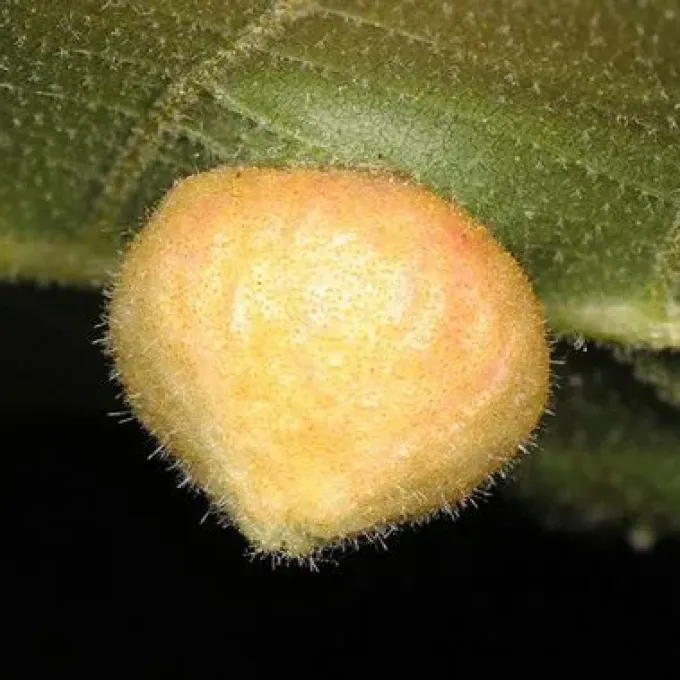
The most reliable sign of a phylloxera infestation is the appearance of distinct galls or swellings on the leaves. These can vary in shape and density depending on the population.
The tissue surrounding the feeding sites often changes color, showing yellowish, reddish, or brownish discoloration, which helps identify the affected leaves from a distance.
Inspecting the underside of the leaf often reveals tiny insects or white, powdery secretions, which are indicative of an active colony residing within the foliage.
Foliar curling and a general loss of the characteristic green luster are common symptoms observed in orchards experiencing high levels of pest pressure.
- Raised bumps or blisters on the upper surface of leaves.
- Internal cavities containing numerous small larvae.
- Premature leaf senescence and early autumn drop.
Control measures
Effective management requires the application of systemic insecticides that can penetrate plant tissues to reach insects sheltered inside the leaf galls.
Proper timing is essential; treatments must be applied when the nymphs are mobile and emerging, before they establish their protective gall structures on the leaves.
Cultural control strategies include the removal and disposal of infested leaf litter in the fall to destroy the overwintering stage of the pest's life cycle.
Maintaining tree vigor through balanced irrigation and nutrient management makes hazelnut trees more resilient and less prone to severe infestation impacts.
Integrated Pest Management (IPM) practices, including regular monitoring and spot treatments, are recommended to minimize chemical use while effectively controlling the population.
Taxonomy
- Latin name
- Phylloxera caryaeavellana
- Order
- Hemiptera (bugs, aphids, leafhoppers)
- Family
- Phylloxeridae
- EPPO code
- XEROCA
Discussion
No discussions yet — be the first.