


SKU #62025
·
51 views
Lyana
Grape
User rating
0 votes0% positive reviews
No ratings yet — be the first.
Usage Group
Dining
Resistance to Mildew
High
Resistance to oidium
High
Resistance to Gray Mold
High
Store offers · 2 from 2 stores
Prices are updated on loadLoading offers…
Available at: Floranova · ВинГрад · Vino
Aggregator catalog: prices are collected automatically from store websites, normalized by AI and converted at the current exchange rate. Before ordering, confirm the price and availability on the store's website. This block is not indexed by search engines — the data is loaded after the page opens.
About product

Lyana is a white table grape variety of early-mid ripening period, bred at the Agrarian University of Moldova through crossing the Chaus white and Pierreil varieties. The clusters of this variety are medium-sized, conical, weighing from 295 to 400 grams, with dimensions of about 16 by 12 centimeters. They are of medium density and well-formed, which ensures increased resistance to tortrix. The ber…
Usage Group
Dining
Resistance to Mildew
High
Resistance to oidium
High
Resistance to Gray Mold
High
Description
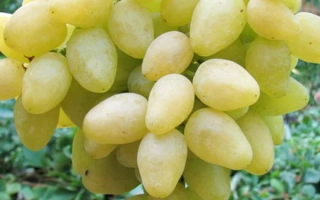
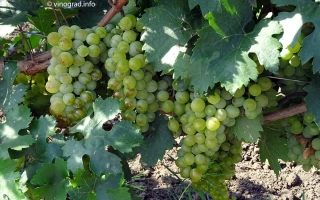
Lyana is a white table grape variety of early-mid ripening period, bred at the Agrarian University of Moldova through crossing the Chaus white and Pierreil varieties. The clusters of this variety are medium-sized, conical, weighing from 295 to 400 grams, with dimensions of about 16 by 12 centimeters. They are of medium density and well-formed, which ensures increased resistance to tortrix. The berries are medium and large in size, weighing about 4.5 grams, egg-shaped, pale yellow-green in color with possible sunburn. The taste is pleasant, with floral notes, confirmed by a high tasting score of about 8.1 points. The variety is characterized by high yield — on average over three years of fruiting it is about 190 centners per hectare. Lyana has good vigor of bushes and good vine ripening. It is relatively drought-resistant but not winter-hardy. An important feature is high resistance to major diseases and pests: downy mildew, spider mites, gray rot of berries, powdery mildew, and phylloxera. However, under unfavorable weather conditions during flowering, partial drying of flowers or inflorescences may occur, which may reduce yield. The variety also has a predisposition to bacterial cancer. Lyana is characterized by high commercial quality and good transportability, which makes it attractive for commercial growing and marketing. The fruiting and bearing coefficients are at the level of 1.6 and 1.7, respectively, indicating stable and quality fruiting. Sugar accumulation reaches 14 percent, acidity about 6.5 g/l, which ensures a harmonious taste of berries. Affinity with rootstock varieties is good, which facilitates the use of Lyana in viticulture.
Video · 1 video
Suggest a video →Crop & resistance
Crop
Disease resistance
Pest resistance
Specifications hover over for a hint about the specification
| Usage Group | |
|---|---|
| Resistance to Mildew | |
| Resistance to oidium | |
| Resistance to Gray Mold | |
|
Yield
Yield
Overall bulb harvest per unit area. Depends on both onion variety characteristics and agronomic practices, fertilizers, and irrigation. Under optimal growing conditions, an onion yield of 100 tons per hectare and above is not considered record-breaking. |
High |
| Bush Growth Power | |
| Bunch Size | Medium (300–500 g) |
| Berry Size | Large (5–8 g) |
| Berry Color | |
| Flavor | |
| Sugar Content | Average (16–20%) |
| Assignment | |
| Features | |
| Registration year | 1989 |
| Catalog | Catalog → Grape |
| Legal data | |
| Country | Russia |
Not yet комментариев. Be the first!
Alternatives
Grapevine saplings · similar varieties


EXPECTED
Фгбоу Во Кубанский Государственный Аграрный Университет Имени И.Т.Трубилина
049 10 offers
2.58 €per seedling ≈ 133 ₴


TEACHER'S MEMORY
ФГБОУ ВО Омский государственный аграрный университет имени П.А. Столыпина
063 8 offers
2.42 €per seedling ≈ 125 ₴

SURUCHENSKY WHITE
Производственно-аграрное Объединение Массандра
076 7 offers
0.39 €per seedling ≈ 20 ₴


See also
Often considered together with this variety




Recently viewed
Products you’ve viewed on this site
Reviews · 0