

Disease · fungal · affects Alfalfa, Almond, Anemone coronaria
Especially harmful
Anthracnose
Colletotrichum gloeosporioides
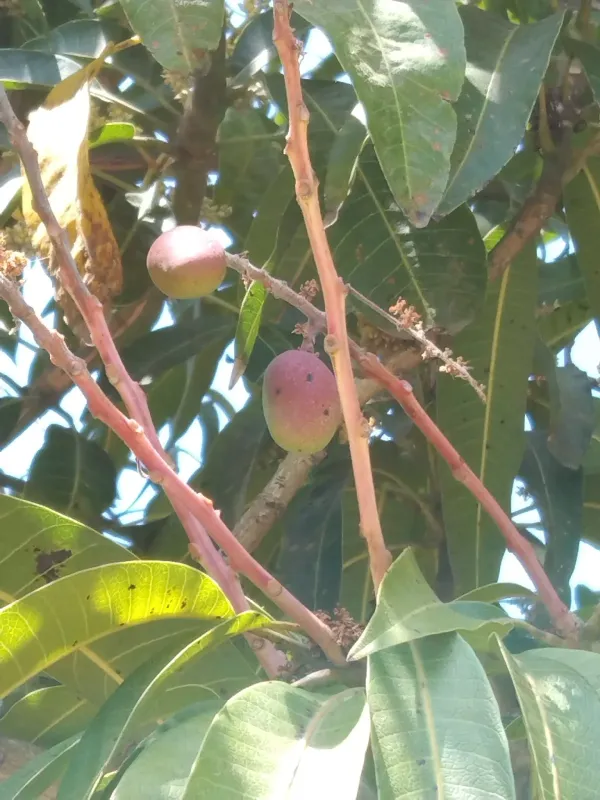
Description
Symptoms
The primary symptoms of the disease are sunken, brown, or black lesions, often with a dark border, which gradually deepen into the plant tissue.
Concentrically arranged rings, which are clusters of fungal sporulation, often appear on the affected areas of leaves, stems, and fruits.
Under conditions of high humidity, the lesions become covered with a pinkish or orange film consisting of masses of pathogen conidia.
In cases of bulb or root vegetable infection, tissue softening, rotting, and gradual mummification of the affected organs are observed.
Plants infected at an early age often die, while mature specimens exhibit significant growth retardation and deformation of vegetative parts.
Pathogen
The causal agent of anthracnose is the imperfect fungus Colletotrichum gloeosporioides, belonging to the order Melanconiales. This pathogen affects a wide range of crops, including onion, garlic, peanut, asparagus, celery, oat, mustard, and anemone.
The fungus persists in infected plant debris, soil, and on seeds in the form of mycelium or conidia, making it highly resilient across various climatic conditions.
The pathogen's life cycle includes the formation of acervuli — fruiting bodies where conidia are produced and spread by rain splashes, wind, and insects.
The fungus penetrates plant tissues through mechanical wounds or natural openings (stomata), using enzymatic processes to break down cell walls.
The species' biological specialization allows it to adapt to diverse hosts, complicating crop rotation planning without considering the field's phytosanitary status.
Conditions for development
The primary factor triggering anthracnose outbreaks is high air humidity (above 85–90%) and the presence of moisture on foliage.
Optimal temperatures for infection development range between +22...+28 degrees Celsius, making the disease particularly dangerous during summer months.
Dense crop stands, lack of ventilation in greenhouses, and improper irrigation techniques facilitate the rapid spread of spores between neighboring plants.
Tissue damage by pests or mechanical injury during field operations creates entry points for fungal spores to infect the plant.
Failure to clear plant debris from the field creates a potent reservoir of infection that serves as a source for the disease in the following season.
Why it matters
Anthracnose causes significant economic losses by reducing the market value of produce due to the unsightly appearance of vegetables and fruits.
Infection of oats and other cereal crops leads to a decrease in thousand-grain weight and overall yield due to damage to the spike and stem.
The disease leads to premature leaf drop, which impairs photosynthesis and weakens the plant as a whole.
During storage, vegetables affected by anthracnose are prone to secondary infections by soft-rot bacteria, leading to total spoilage of the batch.
Severe field infection can lead to losses of 50–70% of the crop, especially in years with rainy summers and unstable temperature regimes.
Protection
The basis of protection is the use of healthy, certified seed material, as well as prophylactic seed treatment with fungicides.
Adhering to crop rotation cycles, avoiding planting susceptible crops on the same site for at least 3–4 years, is critical to breaking the fungus's life cycle.
Effective management includes deep incorporation of post-harvest residue and weed control, as weeds can act as infection reservoirs.
- Application of systemic and contact fungicides based on copper, azoles, or strobilurins.
- Prophylactic sprays before the appearance of first symptoms during active growth stages.
- Ensuring optimal planting density and crop aeration.
It is crucial to remove and destroy infected plant specimens promptly to prevent further spore dissemination within the field or greenhouse.
In brief
60
Affects crops
Biology
Pathogens and affected parts
Pathogens
Colletotrichum gloeosporioides· fungus
Colletotrichum trifolii· fungus
Colletotrichum destructivum· fungus
Colletotrichum truncatum· fungus
Colletotrichum acutatum· fungus
Colletotrichum· fungus
Glomerella cingulata· fungus
Colletotrichum dematium· fungus
Glomerella cingulate· fungus
Colletotrichum musae· fungus
Colletotrichum graminicola· fungus
Glomerella graminicola· fungus
Affected plant parts
whole plantleaffruitstemseedroot
Content graph
Affects crops · 60
AlfalfaAlmondAnemone coronariaAppleArabica coffeeAsparagusAvocadoBananaBlack walnutCassavaCattleyaCeleryCitrusCoconut palmCoffea canephoraCommon beanCommon hazelCommon hopCommon oatCommon walnutCottonDuracina cherryField mintField peaFlaxFlaxGarlicHempIndian mustardIvy-leaved pelargoniumLentilLettuceMangoOnionPapayaPassion fruitPeachPeanutPearPelargoniumPepperPeppermintPersian cyclamenPlatanusPoinsettiaPoison primrosePrimrosePrimulaPrimula malacoidesScented geraniumSour cherrySoybeanSpearmintStrawberrySweet potatoTobaccoTurnipWatermelonWinter barleyWinter rapeseed
Content graph
Connections · Anthracnose
Most often together:
Marketplace
Products · 1506
All 1506
Watermelon 266
Currant 223
Fungicides 176
Tulips 160
Bean 108
Flax 75
Clover 64
Pea 55
Raspberry 47
Lupin 41
Cucumber 34
Gooseberry 31


Hinnonmainen punainen (OLAVI, hinnonmainen punainen, olavi)
Gooseberry
0
0
·
293
3 offers
9.82 €per seedling
Buy





Community
Discussion
No discussions yet — be the first.