
Coconut palm
Cocos nucifera L.
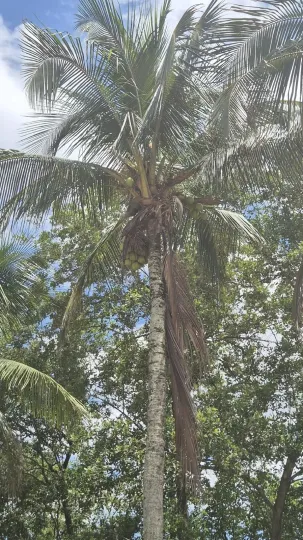
Description
Sowing dates
The coconut palm (Cocos nucifera L.) belongs to the Arecaceae family. It is a strictly tropical crop that is propagated exclusively through seeds, as the tree does not produce suckers.
Farmers select fully mature nuts for germination. These are planted in specialized nursery beds using light, sandy, or loamy soil to ensure optimal root development.
The germination phase is temperature-dependent and typically occurs within three to six months. Seedlings are ready for transplanting when they possess 3–4 true leaves.
Proper field spacing is essential for maximum yield, usually maintaining a distance of 7 to 9 meters between trees to minimize canopy competition for sunlight.
Initial irrigation after transplanting is crucial to allow the root system to establish itself firmly in the field soil, ensuring a strong start for the young plant.
Growing requirements
Cocos nucifera thrives in tropical climates with an average annual temperature range of 25–27°C. It is highly sensitive to cold and does not tolerate frost or chilling.
The crop requires well-distributed annual rainfall, ideally between 1500 mm and 2500 mm. High atmospheric humidity is vital for the tree's physiological processes.
Deep, well-drained soils are preferred. While the coconut palm is famous for its tolerance to saline coastal conditions, it requires sufficient nutrient availability to flourish.
Regular fertilization, specifically with potassium, magnesium, and boron, is highly recommended to improve nut quality and overall resistance to environmental stress.
Exposure to full sunlight is a non-negotiable requirement. Shaded environments inhibit photosynthesis and lead to significant reductions in the tree's annual nut production.
Yield
A coconut palm starts bearing fruit between 6 and 10 years of age. Maximum economic production is usually reached after the 15th year and continues for several decades.
Yields vary by cultivar and management, ranging from 50 to 100+ nuts per tree annually. Sustainable harvesting practices are essential for long-term productivity.
The coconut palm is often called the "tree of life" due to its versatility. Commercial output includes coconut water, virgin oil, copra, and fiber-based coir products.
Processing the fruit requires immediate handling after harvest to prevent nutrient loss and maintain the quality of the copra or fresh meat for export markets.
Global demand for coconut-derived products continues to grow, driving technological advancements in mechanized harvesting and post-harvest storage systems.
Main diseases and pests
The coconut palm is susceptible to several fungal diseases, including anthracnose and phytophthora bud rot, which can cause severe damage to the foliage and meristem.
Helminthosporium leaf spot and mycospherella leaf spot are common in humid, stagnant air conditions, necessitating careful canopy management and improved aeration.
Fusarium wilt and pythium root rot pose major threats to plant vigor. These soil-borne pathogens are often linked to improper drainage and poor orchard hygiene.
Pests such as rhinoceros beetles and various scale insects damage the heart of the palm, making integrated pest management (IPM) a priority for commercial farmers.
Preventive measures include applying fungicides, ensuring adequate nutrient supply to bolster tree immunity, and removing infected palm tissue to prevent disease spread.
Harvesting
Harvesting is a year-round activity in most tropical regions because the palm flowers and produces fruit continuously throughout the seasons.
Standard manual methods include trained workers climbing the trees to cut bunches with machetes, while large-scale operations use mechanical harvesting platforms.
Post-harvest management involves de-husking the nuts and drying them to extract copra, a key industrial commodity used in the global cosmetics and food sectors.
Proper logistics are essential to ensure the nuts remain dry and free from mold during storage and transit to processing facilities or international markets.
Efficient harvesting cycles optimize the tree's health and yield, as timely removal of mature nuts allows the palm to allocate more resources to developing fruit.