


SKU #4682
·
311 views
Currant Chulkovskaya
Currant
Type of Variety
Redcurrant
Your mark
0 votes
0% positive ratings
Store offers · 7 from 7 stores
7 offers in 7 stores — from 5.32 € per seedling.
Available at: AgronomVIP · Азбука сада · Greenagrosad · moscow-garden24-ru · plodovyimir-ru · Agromir · zelionii-dvorik-ru
Prices are collected automatically from store websites and converted at the current exchange rate. Check the price and availability on the store website before ordering.
Description
An old Russian early-ripening variety of folk selection. From 1947 to 2006, it was approved in many regions of the Russian Federation.
A strong, slightly spreading, dense bush. Stems of medium thickness, flexible.
Leaves three-lobed, round, light green, dull, with underdeveloped basal lobes. Leaf blade leathery, wrinkled, hairy underneath, teeth small, acute.
Flowers greenish, with red streaks. Sepals touch each other. No calyx. Inflorescences medium (7 berries), one-sided, with short, weakly curved pedicels.
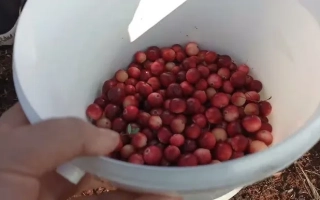
Berries small to medium (0.4–0.7 g), slightly elongated, bright red, semi-transparent, thin-skinned, medium-flavored, for technical purposes, ripen uniformly, good transportability. Ascorbic acid content — 62.0–75.0 mg/100 g.
The variety is moderately winter-hardy and drought-resistant. Average yield 8.0–11.0 t/ha (4–6 kg/plant). Good self-fertility. Moderately resistant to powdery mildew, relatively resistant to anthracnose, not resistant to double-flowered forms. Flowers damaged by late spring frosts.
Advantages of the variety: early berry ripening, good self-fertility.
Disadvantages of the variety: medium flavor and insufficient berry size.
Crop & resistance
Crop
Disease resistance
Specifications
| Type of Variety | |
|---|---|
| Catalog | Catalog → Currant |
No reviews yet. Be the first to share your experience.
Alternatives
Currant saplings · similar varieties




See also
Often considered together with this variety





Recently viewed
Products you’ve viewed on this site
Reviews