
Avocado
Persea americana Mill.
Description
Sowing dates
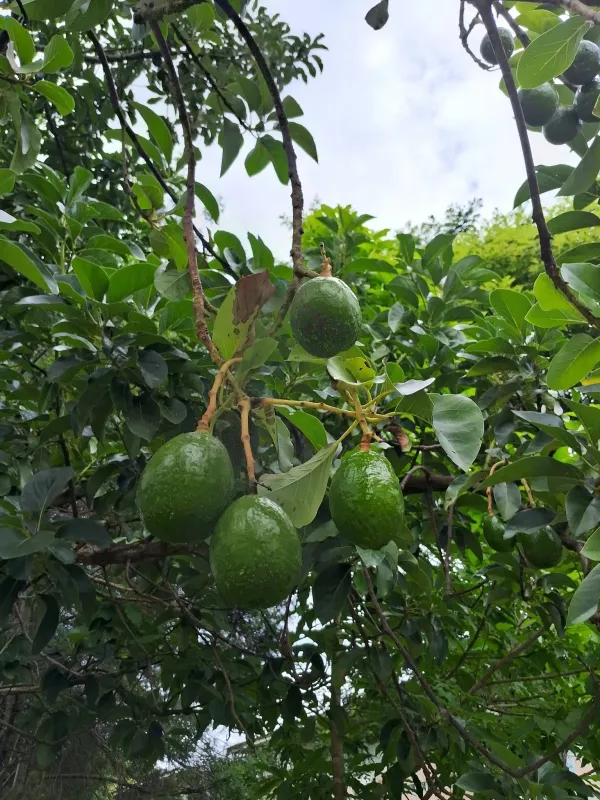
Avocado (Persea americana Mill.) is an evergreen fruit tree belonging to the Lauraceae family. In commercial horticulture, propagation is predominantly achieved through grafting selected scion cultivars onto rootstocks grown from seeds to ensure genetic consistency and disease resistance.
Seed germination for rootstock production requires a well-drained, nutrient-rich substrate. Seeds lose viability quickly if allowed to dry, so they should be planted promptly after removal from the fruit under conditions of consistent warmth and moisture.
The nursery phase for avocado saplings typically lasts between 12 and 18 months. During this time, constant monitoring of the root system is essential to prevent moisture stress and ensure the development of a healthy, vigorous plant structure.
Planting in the field is usually scheduled to coincide with the beginning of the rainy season. This allows young trees to establish themselves in the soil before facing the challenges of high heat or intermittent dry periods.
Proper spacing is vital for orchard management, as mature avocado trees can attain significant dimensions. Density depends on the cultivar and the pruning system employed, usually ranging from 6 to 10 meters between trees to ensure adequate airflow.
Growing requirements
Avocado is primarily a tropical and subtropical crop that thrives in frost-free environments. It requires a temperature range between +18°C and +28°C for optimal growth and fruit set.
Soil quality is the most critical factor for success; avocado trees strictly require light, porous soils with excellent drainage. Waterlogging is detrimental, as it predisposes the roots to lethal fungal pathogens.
Sunlight requirements are high, although young trees benefit from partial shading to avoid bark sunscald during their establishment phase. Once mature, the canopy provides sufficient protection for the trunk and internal foliage.
Water management via drip irrigation is the industry standard. It provides the necessary moisture levels without saturating the soil, which helps maintain the health of the delicate root system.
Nutritional needs include a balance of NPK fertilizers supplemented by micronutrients, particularly iron, zinc, and boron. Soil pH should ideally be maintained in a slightly acidic range to ensure maximum nutrient uptake.
Main diseases and pests
Avocado cultivation faces significant pressure from various fungal diseases that affect roots, foliage, and fruit. Preventing these pathogens is a cornerstone of effective orchard management.
Major diseases affecting avocado production include:
- Anthracnose
- Verticillium wilt
- Helminthosporium blight
- Rhizoctonia
- Sclerotinia
- Pink rot
- Phytophthora root rot
- Fruit rot
Integrated Pest Management (IPM) is essential for controlling these threats. This includes the use of certified disease-free planting material, maintaining optimal drainage, and implementing preventive fungicide applications when necessary.
Pest populations such as mites, scale insects, and fruit flies require regular scouting and monitoring. Biological controls, such as beneficial insects, are increasingly favored to reduce chemical dependency in modern orchards.
Sanitation practices, such as the removal of infected plant debris and regular pruning, play a crucial role in reducing inoculum levels within the orchard environment.
Harvesting
The harvesting of avocado requires high precision as most commercial varieties do not ripen while attached to the tree. Maturity indices are based on size, color changes, and the specific dry matter content required by local markets.
Fruit must be picked manually using professional tools to avoid damaging the skin. Any mechanical injury acts as a point of entry for post-harvest pathogens, which can lead to significant losses during storage and transport.
Immediate post-harvest cooling is necessary to slow down respiration rates and extend the shelf life of the fruit. Maintaining a strict temperature chain between +5°C and +12°C is vital for quality preservation.
Avocado fruit is a highly valued commodity in both the fresh produce market and the food processing industry, particularly for the extraction of high-quality oil rich in monounsaturated fats.
Success in avocado production relies on strict adherence to technical protocols from the nursery to the packing house, ensuring that the fruit reaches the consumer in optimal physiological condition.