
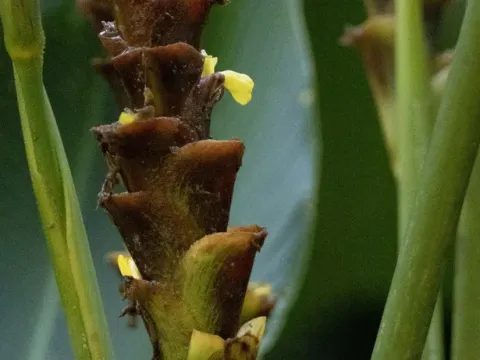
Calathea
Calathea
Calathea is a genus of perennial herbaceous plants belonging to the Marantaceae family. Native to the tropical regions of the Americas, it thrives in shaded forest environments where the humidity levels remain consistently high throughout the year.
What the section contains
 Calathea albertii
Calathea albertii
Calathea albertii
 Calathea allouia
Calathea allouia
Calathea allouia
 Calathea bella
Calathea bella
Calathea bella
 Calathea burle-marxii
Calathea burle-marxii
Calathea burle-marxii
 Calathea crotalifera
Calathea crotalifera
Calathea crotalifera
 Calathea cylindrica
Calathea cylindrica
Calathea cylindrica
 Calathea fasciata
Calathea grandifolia
Calathea grandifolia
Calathea fasciata
Calathea fasciata
Calathea grandifolia
Calathea grandifolia
 Calathea hybrid
s
Calathea hybrid
Calathea hybrids
 Calathea louisae
Calathea louisae
Calathea louisae
 Calathea lutea
Calathea lutea
Calathea lutea
 Calathea majestica
Calathea majestica
Calathea majestica
 Calathea orbifolia
Calathea orbifolia
Calathea orbifolia
 Calathea picturata
Calathea picturata
Calathea picturata
 Calathea pseudoveitchiana
Calathea pseudoveitchiana
Calathea pseudoveitchiana
 Calathea roseopicta
Calathea roseopicta
Calathea roseopicta
 Calathea rufibarba
Calathea rufibarba
Calathea rufibarba
 Calathea veitchiana
Calathea veitchiana
Calathea veitchiana
 Pinstripe plant
Calathea ornata
Pinstripe plant
Calathea ornata
 Saffron crocus-flowered calathea
Calathea crocata
Saffron crocus-flowered calathea
Calathea crocata
Calathea
The plant is distinguished by its ornamental foliage, which often features intricate variegation and colorful undersides. A unique botanical trait is the ability of the leaves to perform nictinastic movements, adjusting their angle according to the light levels during the day and night cycle.
Optimal growth requires a stable ambient temperature ranging between 20 °C and 25 °C. The culture is highly sensitive to cold drafts and rapid fluctuations in temperature, necessitating a controlled environment in both nursery and greenhouse operations to maintain healthy growth.
The ideal growing medium should be well-draining, slightly acidic, and rich in organic matter. A mixture of peat, perlite, and leaf compost is commonly used to ensure moisture retention while preventing the risk of root rot caused by poor soil aeration.
Calathea is primarily cultivated for the interior landscaping market and ornamental plant retail. Because of its specific environmental requirements, its commercial production relies on high-tech greenhouses that mimic the natural microclimate of tropical rainforests.
Spider mites are the most persistent pests for Calathea, particularly in low-humidity environments where they can cause severe damage to the leaf structure. Regular monitoring and maintaining proper humidity levels are critical for effective pest management strategies.
Root rot and fungal infections represent the primary disease threats to this crop. These are generally induced by overwatering or compacted soil conditions that restrict oxygen access to the root zone. Control measures involve strict adherence to watering schedules and the use of preventative fungicides.