
Stromanthe
Stromanthe Sond.
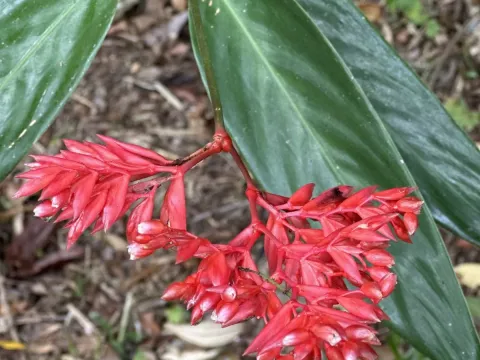
Stromanthe is a genus of flowering plants in the Marantaceae family, native to the tropical regions of Central and South America. These plants are prized for their dramatic, multicolored foliage that often features variegated patterns.
What the section contains


Stromanthe
Botanically, Stromanthe species are characterized by their rhizomatous growth habit and broad, lanceolate leaves. The plant exhibits nyctinasty, meaning the leaves fold up at night and unfurl during the day, a signature trait of the family.
Successful cultivation requires a tropical environment with temperatures consistently between 20°C and 26°C. They are highly sensitive to thermal shocks and should be placed away from air conditioning vents or cold drafts.
The substrate should be a well-draining, peat-based mix with a slightly acidic pH. Incorporating materials like perlite or charcoal helps maintain the necessary soil structure and prevents the root rot common in dense soils.
High relative humidity is essential for the health of the foliage. Growers should aim for humidity levels above 60-70% to prevent leaf edge necrosis and ensure the leaves maintain their vivid colors and structural integrity.
Common pests include spider mites, which thrive in dry indoor conditions, as well as scale insects and mealybugs. These pests can rapidly colonize the undersides of the leaves if conditions are not optimal.
Fungal pathogens such as root rot (Phytophthora or Pythium) can occur if the substrate remains waterlogged for extended periods. This results in soft, discolored stems and the eventual collapse of the plant.
Cultural control involves proper sanitation, such as removing dead leaf tissue and ensuring adequate air circulation around the plants to reduce the risk of fungal proliferation.
Chemical intervention with systemic insecticides or acaricides is recommended if an infestation is detected. It is crucial to follow label directions carefully to avoid phytotoxicity on delicate leaves.
Regular inspection and maintaining the correct balance of soil moisture are the most effective strategies for preventing common threats and ensuring the long-term vitality of Stromanthe specimens.