
Lycamerlycaste mathiasiae
Lycamerlycaste mathiasiae
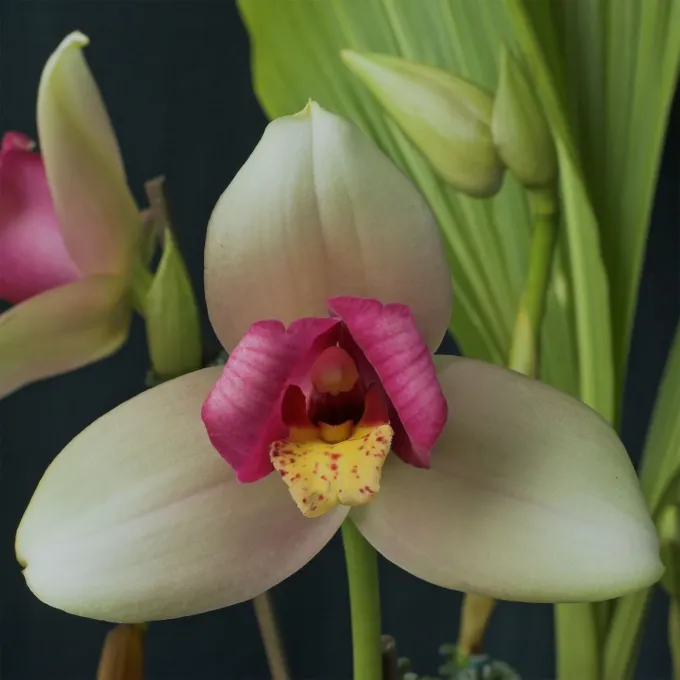
Description
Growing requirements
Lycamerlycaste mathiasiae is a sophisticated orchid species that thrives in conditions mimicking its natural tropical highland habitat. Understanding its specific ecological niche is paramount for successful cultivation in greenhouses or controlled environments.
The plant requires high ambient humidity levels, ideally maintained between 70% and 80%. Stable air moisture is essential for preventing the desiccation of the pseudobulbs, which are vital for the plant's metabolic reserves.
A specialized potting medium is required, primarily consisting of high-quality fir bark, perlite, and premium long-fiber sphagnum moss. This combination ensures proper drainage while allowing the roots to access necessary hydration.
Temperature management should focus on a moderate range with distinct diurnal fluctuations. Keeping daytime temperatures between 18°C and 24°C, followed by a slight nocturnal drop, promotes healthy physiological cycles and flower development.
Diffuse lighting is essential to prevent leaf scorch, which is a common issue for this genus. Greenhouse shading systems or indoor grow lights with controlled intensity are recommended to ensure optimal photosynthetic activity without thermal stress.
Main diseases and pests
Root rot, driven by excessive moisture and poor drainage, represents the primary threat to the stability of the plant. Maintaining a strict watering schedule based on the drying rate of the substrate is the most effective preventative measure.
Pests such as spider mites and scale insects frequently target Lycamerlycaste mathiasiae, especially when the plant is stressed by environmental imbalances. Regular inspections and immediate treatment with insecticidal soaps are necessary.
Fungal leaf spots can compromise the foliage health if humidity levels remain too high without adequate air circulation. Ensuring a steady airflow via greenhouse fans significantly reduces the risk of such infections.
Mealybugs are known to colonize the crevices of the pseudobulbs, which can weaken the plant over time. Early detection and manual removal, followed by biological controls, are preferred over aggressive chemical applications.
Bacterial pathogens often thrive in stagnant, humid environments, leading to rapid tissue decay. Sterile handling techniques during repotting and maintaining impeccable greenhouse sanitation are critical for long-term health.