
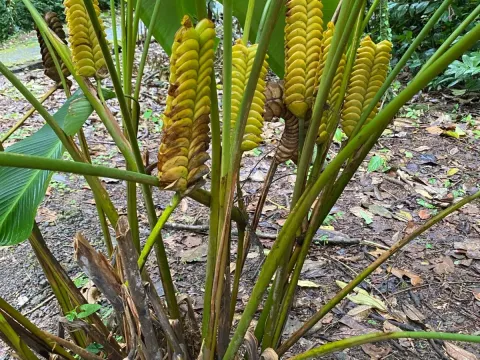
Calathea
Calathea G.F.W. Mey.
Calathea (Calathea G.F.W. Mey.) is a genus of flowering plants within the Marantaceae family. Native to the tropical regions of the Americas, these plants are adapted to the shaded, humid floor of rainforests, which dictates their specific agricultural requirements.
What the section contains

Calathea
Botanically, Calathea is characterized by its broad, often patterned foliage that exhibits nyctinasty, a movement related to circadian rhythms. The root system consists of rhizomes that require well-draining, nutrient-rich soil to support robust leaf development.
Climate requirements include constant warm temperatures, ideally between 18°C and 25°C. Even minor cold drafts can cause severe physiological stress, leading to browning leaf margins and decreased ornamental value in professional production.
Soil management involves using a substrate that is slightly acidic and high in organic matter. A mixture of peat, perlite, and pine bark is often used to ensure adequate drainage while retaining the high moisture levels necessary for tropical species.
Watering techniques are critical for this crop; the soil must remain consistently moist but never waterlogged. Using high-quality, lime-free water is essential, as the species is highly sensitive to water salinity and mineral buildup in the root zone.
Spider mites are the primary pests affecting Calathea, especially in controlled environment agriculture with low humidity levels. Biological control agents or targeted miticides are recommended for managing these populations effectively.
Scale insects and mealybugs can colonize the base of the petioles, damaging the structural integrity of the plant. Regular monitoring of the foliage and stem bases is required to prevent widespread infestation throughout the greenhouse.
Root rot caused by Phytophthora or Pythium species is a major threat linked to poor soil aeration and overwatering. Proper drainage and sanitation of irrigation equipment are fundamental preventative measures.
Fungal leaf spots can develop if moisture remains on the foliage for extended periods without adequate airflow. Improving ventilation and reducing leaf-wetting during late-day irrigation helps mitigate these risks.
Finally, virus infections and physiological chlorosis may occur due to nutrient imbalances, particularly deficiencies in iron or magnesium, which must be addressed through balanced fertilization protocols.