
Phrynium
Phrynium
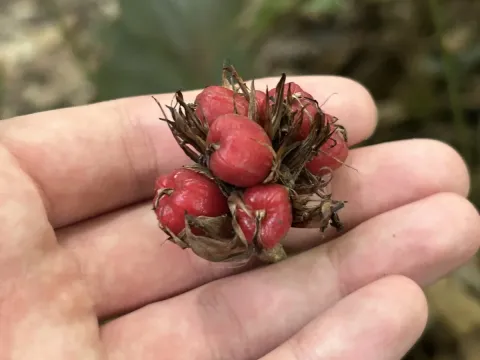
Phrynium is a genus of herbaceous perennial plants belonging to the family Marantaceae. These plants are native to the tropical regions of Southeast Asia, thriving primarily in the humid, shaded environments of tropical rainforests.
What the section contains

Phrynium
Botanically, Phrynium is characterized by its extensive rhizomatous root system and large, broad leaves that possess high durability. The plant has adapted to survive in low-light conditions by maximizing the surface area of its foliage for photosynthesis.
Cultivation of Phrynium requires a tropical climate with consistent temperatures ranging between 22°C and 28°C. Protection from cold drafts and direct, intense sunlight is essential to prevent physiological stress and leaf scorching.
The soil should be rich in organic matter, loose, and slightly acidic. It is critical to maintain consistent soil moisture, ensuring that the substrate is kept damp at all times without becoming waterlogged, which promotes the growth of pathogens.
High relative humidity is a prerequisite for healthy growth. In professional cultivation, misting systems or greenhouses are employed to maintain humidity levels above 70%, ensuring the leaves remain supple and healthy.
The harvest focuses exclusively on the leaves of the Phrynium plant. In many Southeast Asian cultures, these leaves are highly valued for their utility as a natural, biodegradable food wrapping for steamed dishes and traditional delicacies.
Harvesting is typically performed by hand. Farmers select mature, fully expanded leaves, cutting them carefully at the petiole base to avoid damaging the crown or the rhizome, which is vital for the plant's future regrowth.
Post-harvest handling involves sorting the leaves by size and quality. Since the leaves are perishable, they are usually utilized shortly after harvest to retain their natural flexibility and aroma, which enhances the culinary experience.
Yield management is dependent on the age of the plants and the maintenance of optimal growing conditions. Consistent nutrient supply through organic fertilizers helps sustain the plant's productivity over several harvest cycles per year.
To prolong shelf life after harvest, the leaves are kept in cool, humid conditions. This prevents the edges from drying out and maintains the aesthetic appearance required for commercial food packaging applications.