
Calathea pseudoveitchiana
Calathea pseudoveitchiana
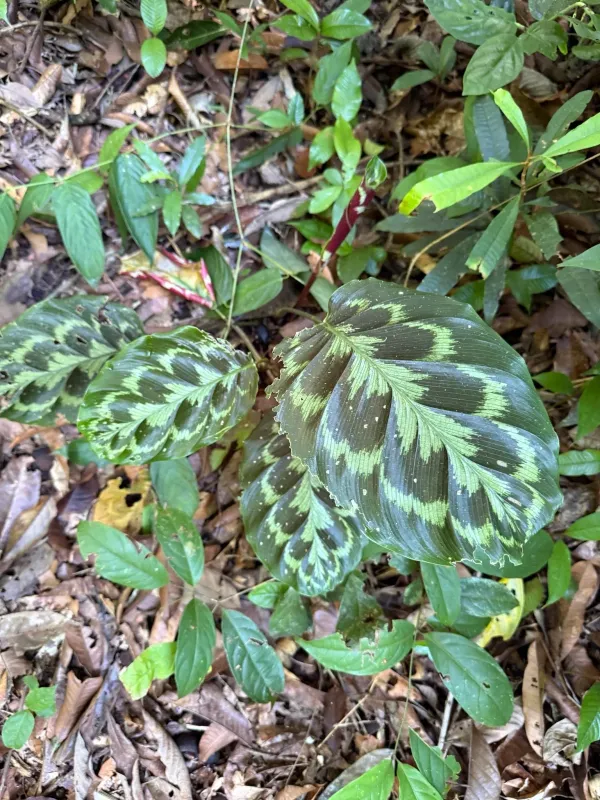
Description
Growing requirements
Calathea pseudoveitchiana belongs to the Marantaceae family. It is a striking herbaceous perennial originating from the tropical rainforests of Ecuador and Peru. This species is highly prized by collectors for its complex leaf patterns and distinctive foliage morphology.
The plant thrives in stable tropical temperatures ranging from 22°C to 26°C. It is extremely sensitive to cold drafts and temperatures below 18°C, which can cause severe physiological stress and leaf drop in this tropical cultivar.
High relative humidity, ideally between 70% and 80%, is essential for the healthy development of this plant. In residential environments, additional measures like humidifiers or pebble trays are necessary to replicate its natural forest-floor habitat.
Light requirements are strict: the plant requires bright, filtered, indirect light. Direct sunlight is harmful and will cause the leaf margins to burn and the vibrant colors on the foliage to fade significantly.
Soil management requires a well-draining, loose potting medium rich in organic matter. A mixture of peat, perlite, and bark is ideal to ensure proper aeration for the delicate root system, preventing the common issue of root compaction.
Main diseases and pests
Spider mites represent the most significant threat to Calathea pseudoveitchiana, especially in indoor conditions where humidity levels are inconsistent. They tend to colonize the underside of the leaves, causing stippling and yellowing.
Scale insects and mealybugs can also infest the plant. Early detection is crucial; regular wiping of the leaves with a damp cloth helps both in cleaning the surface and identifying the presence of these pests.
Fungal leaf spot diseases are common when the plant is subjected to poor air circulation and waterlogging. These conditions encourage pathogen proliferation, leading to necrotic spots that reduce the plant's photosynthetic efficiency.
Root rot is often a fatal condition for this species caused by overwatering or poor drainage. It is critical to ensure that the potting mix is never waterlogged and that excess water is drained from the pot immediately after watering.
Effective management includes using sterilized soil during repotting, applying mild systemic fungicides when necessary, and strictly adhering to a watering schedule that allows the top layer of the soil to dry slightly between sessions.