
Calathea albertii
Calathea albertii
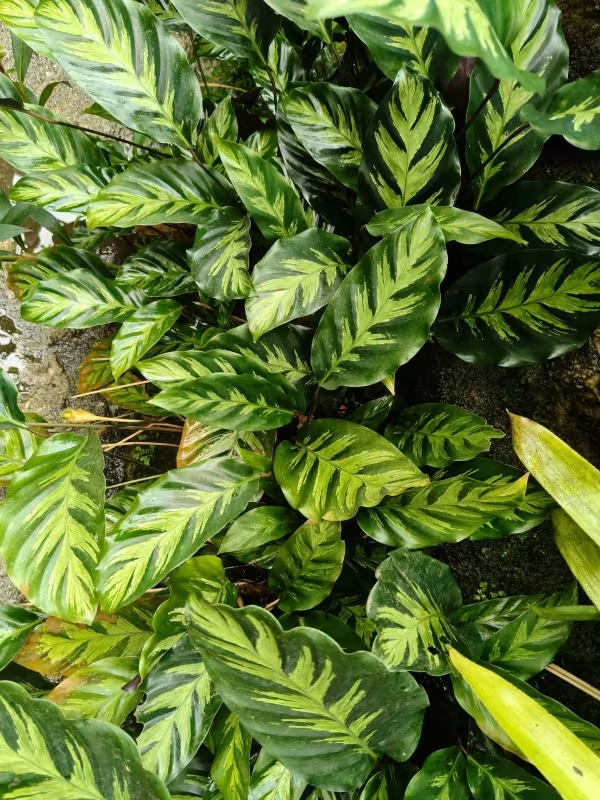
Description
Growing requirements
Calathea albertii is a perennial ornamental foliage plant belonging to the Marantaceae family. It originates from the tropical rainforests of Brazil, where it thrives under the canopy in warm and humid environmental conditions.
The plant requires a strictly controlled climate with temperatures ranging from 20°C to 25°C. It is highly sensitive to cold drafts and rapid temperature fluctuations, which can cause significant stress and leaf damage to the plant.
Cultivation requires a well-draining, loose, and slightly acidic substrate. A professional soil mix typically consists of peat moss, leaf compost, and perlite or sand, ensuring that the roots receive sufficient aeration while maintaining moisture.
Regarding light, this species prefers bright, indirect sunlight. Low-light conditions are tolerated, but optimal coloration of the leaves is only achieved when the plant receives adequate diffused light without exposure to direct sun rays.
Watering management is crucial for the health of Calathea albertii. The soil should remain consistently moist but never waterlogged. High ambient humidity is essential for survival, often requiring the use of humidifiers or pebble trays to prevent leaf tip browning.
Main diseases and pests
Common pests affecting this crop include spider mites, scale insects, and mealybugs. These organisms thrive in low-humidity environments, necessitating regular monitoring of the foliage to prevent large-scale infestations.
Fungal diseases, such as root rot and leaf spot, are prevalent if the irrigation schedule is too aggressive or drainage is insufficient. Proper hygiene, such as removing dead leaves and ensuring adequate airflow, is vital for a healthy crop.