
Mangave
x Mangave D. Klein
Description
Growing requirements
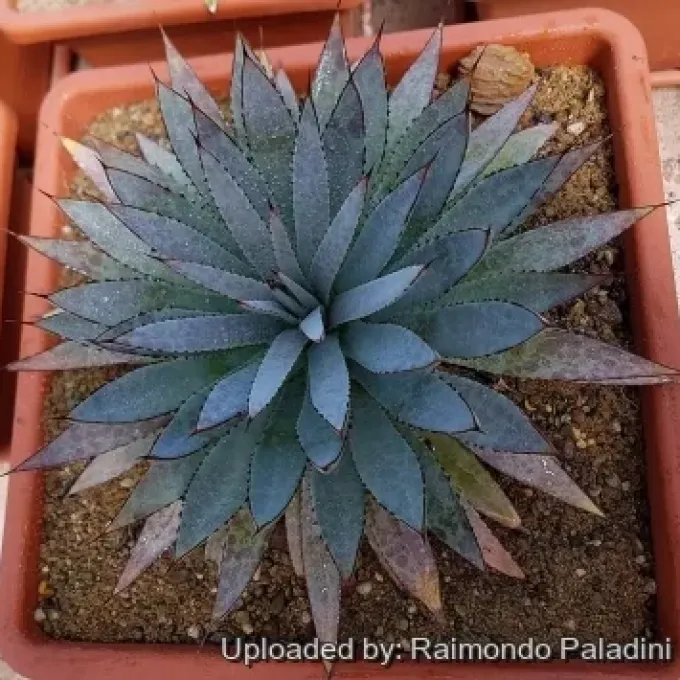
Mangave is a complex intergeneric hybrid created by crossing members of the genera Agave and Manfreda. The plant belongs to the Asparagaceae family, combining the powerful architectural structure of the agave with the unique spotted patterns and leaf texture characteristic of manfreda.
In their natural habitat, hybrids of this type are found in warm climates, primarily in North and Central America. In commercial or ornamental horticulture, mangave is grown as a high-value crop for landscaping and interior design in regions where there is no risk of severe frost.
The crop has high light requirements: full sun or very bright conditions are necessary to maintain varietal traits and leaf coloration. If the light is insufficient, the rosette will begin to stretch, and the decorative spots on the leaf blades will fade, which negatively affects the plant's market value.
Mangave is quite demanding regarding soil conditions, requiring substrates with excellent drainage and aeration. An optimal choice is a sandy-gravel mixture with the addition of slightly acidic or neutral peat, which ensures rapid water runoff from the root system to prevent root rot.
The temperature range for successful vegetation should be between +18 and +28 degrees Celsius. Although many cultivars have moderate frost tolerance, prolonged exposure to sub-zero temperatures can lead to irreversible tissue damage, so cultural practices often involve container growing for easier relocation to protected areas.
Main diseases and pests
The main threat to mangave comes from fungal and bacterial diseases caused by overwatering and water accumulation in the rosette. Root and stem rots are the most common causes of death for both young and mature specimens in indoor and outdoor settings.
Among pests, mealybugs and scale insects pose the greatest danger to the crop, as they infest the hidden areas at the leaf base. Areas damaged by these pests become entry points for secondary infections, which requires immediate treatment with systemic insecticides.
Spider mite infestations are possible in low humidity and high-temperature conditions, especially when grown in greenhouse complexes. Regular visual monitoring of leaf axils allows for early detection, helping to minimize damage to the plant's aesthetic quality.
Disease prevention includes strictly adhering to an appropriate irrigation schedule: the substrate should dry out almost completely between waterings. It is also recommended to ensure good air circulation in the room or growing site to prevent moisture condensation on the leaf surface.
Upon discovering the first signs of rot, the affected parts of the plant must be removed down to healthy tissue immediately, and the cut surfaces should be treated with fungicides or powdered charcoal. Adhering to quarantine measures when receiving new planting material significantly reduces the risk of infecting the entire collection.